

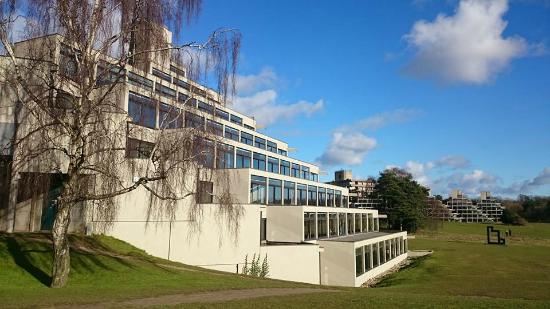
Sainsbury Centre for Visual Arts, UEA
The Sainsbury Centre is one of the most prominent university art galleries in Britain, and a major national centre for the study and presentation of art.
We house the extraordinary art collection of Robert and Lisa Sainsbury, as well as the Anderson Collection of Art Nouveau and the University’s Abstract and Constructivist Collection.
Alongside these permanent collections, we host a range of temporary exhibitions, with our new galleries providing the largest climate-controlled exhibition space in Eastern England.
We also offer an award-winning learning programme of gallery talks, lectures and art workshops.
Read More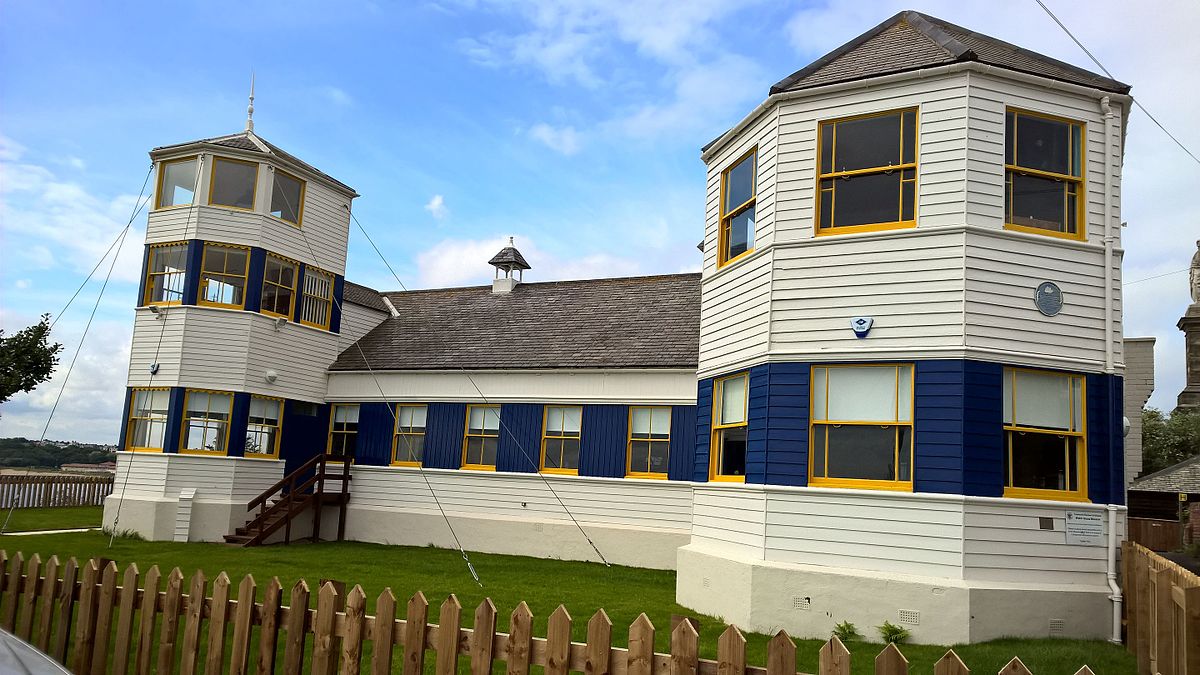
Tynemouth Volunteer Life Brigade Watch House
ince reopening after major restoration works in 2014, funded by a partnership with North Tyneside Council and a major grant from the Heritage Lottery Fund, the Brigade Watch House provides visitors with a beautiful and sympathetically restored setting in which to enjoy the atmosphere of this historic building and its artefacts.
Key exhibits include early examples of photography, documents, paintings and artefacts relating to the formation and operations of the Tynemouth Volunteer Life Brigade (TVLB). The museum also houses a working ¾ size version of Breeches Buoy rescue equipment (the TVLB are famous for utilising this equipment in ship to shore rescues in the past). The museum contains a wonderful selection of other unusual items recovered from local shipwrecks including ships’ bells, figureheads and much more.
From the top of the South tower, there is a reward of near 360 degree breath-taking panoramic views of the entrance to the river Tyne, the North and South Piers, the Black Middens rocks at low tide, across to S.Shields, upriver to the Fish Quay and Low Lights, as well as clear views of the Collingwood Monument and The Tynemouth Castle and Priory.
Read More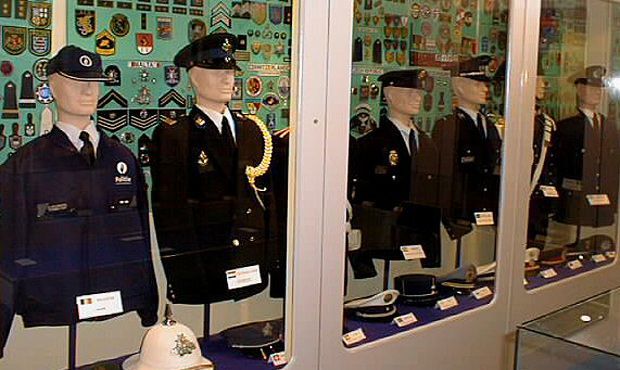
Police Museum
The Glasgow Police Historical Exhibition contains artefacts and text boards which provide a historical insight into the people, events and other factors which contributed to the founding, development
and progress of Britain’s first Police force, the
City of Glasgow Police from 1779-1975.
The Glasgow Police Museum is an independent museum set up and manned by volunteer members of The Glasgow Police Heritage Society (Scottish Charitable Incorporated Organisation No. SC029614).
Read More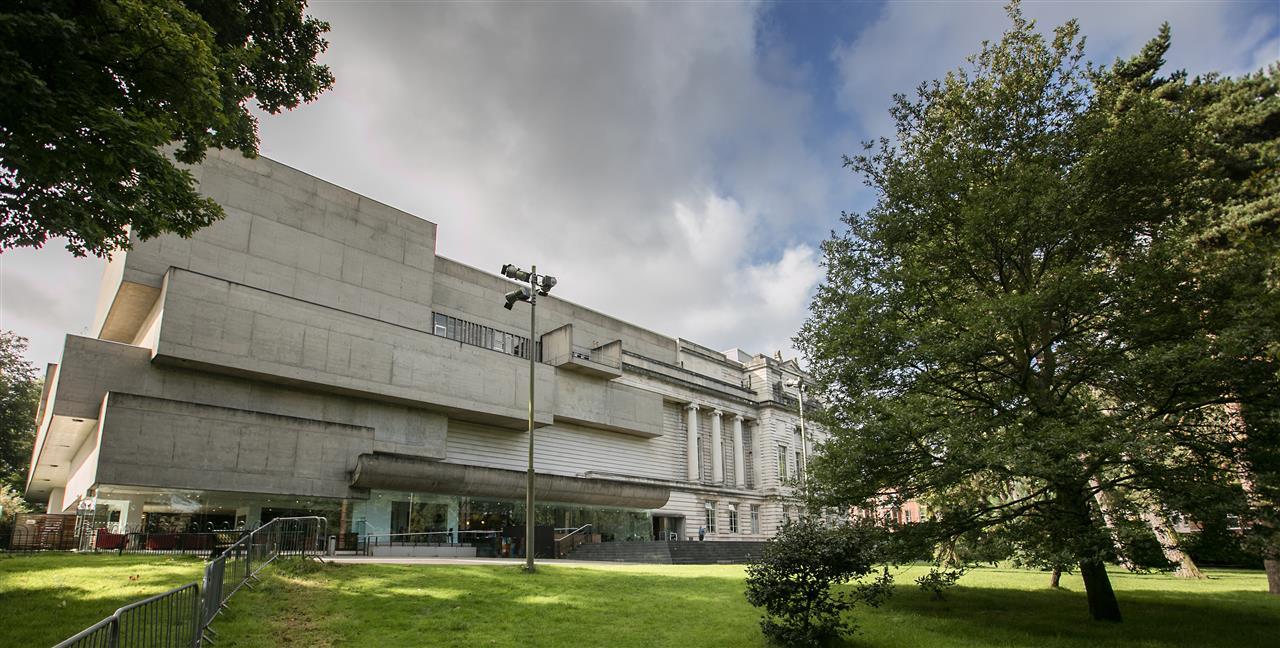
Ulster Museum
The Ulster Museum tells the unique human story of this part of Ireland and our collections will take you to all corners of the globe. Come face to face with dinosaurs, get up close with an Egyptian mummy, dive into our discovery zones, or just enjoy a bite in our café or a wander around the gift shop. Plenty to enjoy and loads to love at the Ulster Museum. And best of all, admission is free.
Read More
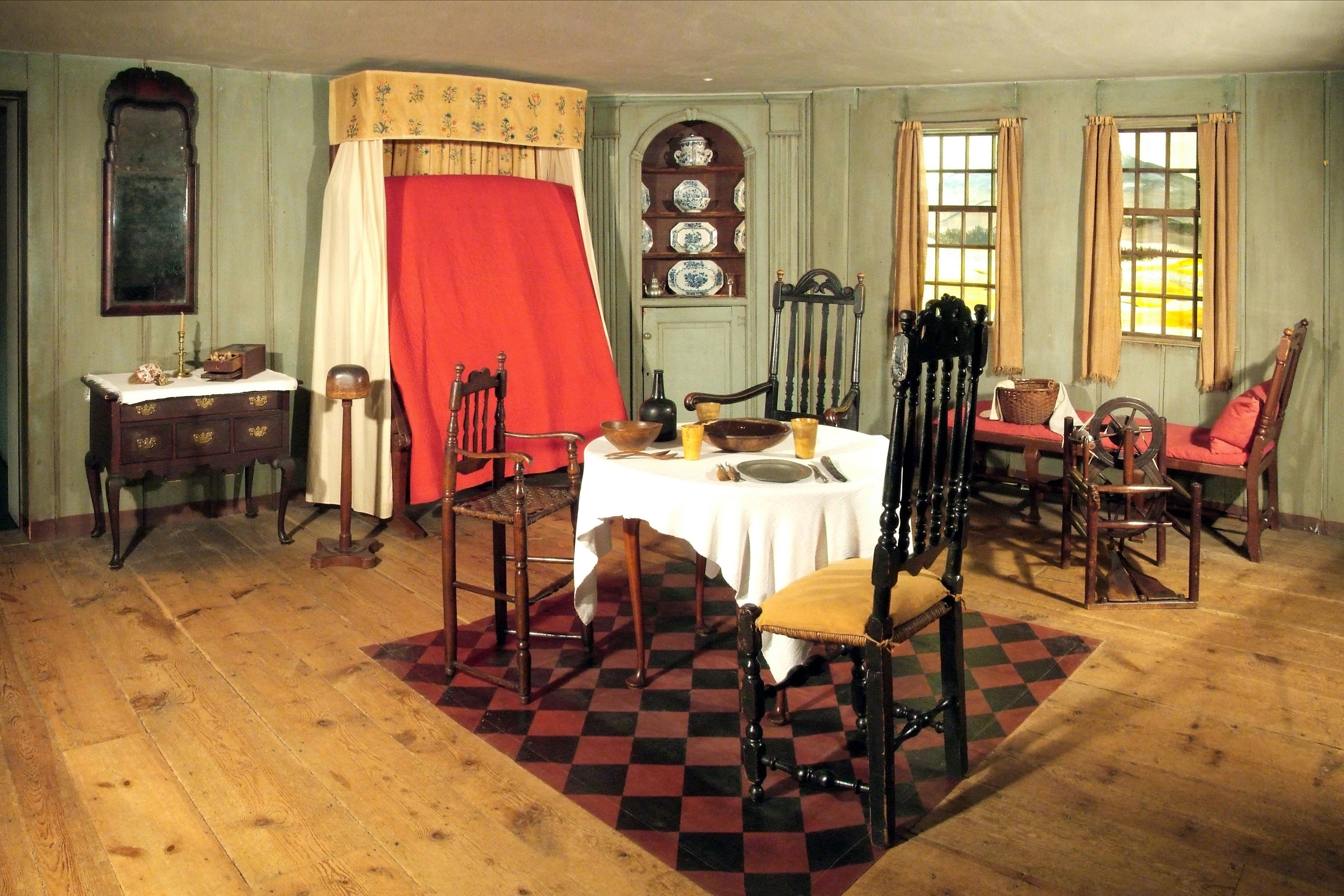
The American Museum in Britain
The American Museum in Britain opened to the public in 1961 – the achievement of four colleagues: Dr. Dallas Pratt (an American psychiatrist and collector), John Judkyn (a British born antiques dealer, who had become a United States citizen), Nick Bell Knight (a furniture restorer employed at nearby Freshford Manor, Judkyn’s business base in Britain) and Ian McCallum, the Museum’s first Director.
It was a transatlantic alliance. Dallas Pratt and John Judkyn considered establishing a Museum of Americana in Britain as early as 1956, after visiting several historic house and ‘living history’ museums in the United States.
Collecting for the Museum began in earnest in 1958, facilitated by Judkyn’s business contacts – each piece testifying to the artistry of Americans and how these people had lived in the past. Panelling and floors were also shipped over to Britain, enabling period rooms from demolished buildings in America to be reconstructed within the spacious interiors of Claverton Manor.
Many decades on, the American Museum in Britain remains the only museum outside the United States to showcase the decorative arts of America.
Read More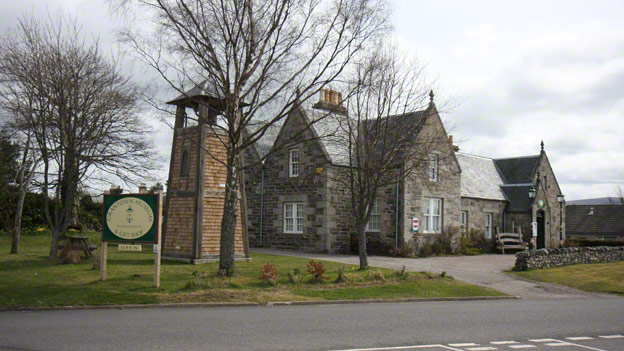
Grantown Museum and Heritage Centre
Grantown Museum is owned by Grantown Museum & Heritage Trust. Our friendly team consists of a professional manager, a curator and a group of dedicated volunteers who are always on-hand and willing to help with any queries
We have over 200 members, with a Board of Directors elected from the membership.
Members pay an annual subscription and help the museum with fundraising events and by volunteering in the shop and Tourist Information Point.
Burnfield House, home of the museum, was purchased in 1995 for £150,000, raised entirely from private sources. A further £300,000 was raised, with help from the Heritage Lottery Fund. We officially opened our doors to the public in April 1999.
The campanile outside Burnfield House was built to house the restored town bell in 2006 with funding provided by the Bulmer Trust.
Read More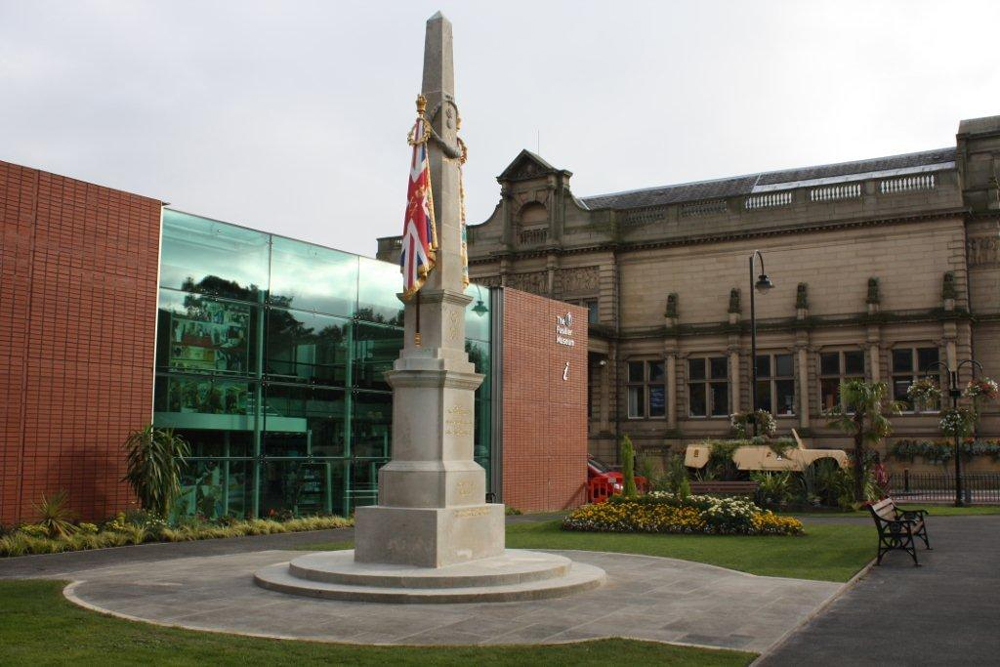
The Fusiliers Museum of Northumberland
The Fusiliers Museum of Northumberland’s displays give a contemporary presentation of Fusilier history from their origins in 1674 up to the present day
Arranged thematically, and brought to life through individual stories past and present, the museum follows a soldier’s journey from recruit to veteran
Between 2014 and 2017 the museum was completely redeveloped, with new displays throughout, thanks to the Heritage Lottery Fund and the generosity of trusts, benefactors, friends and visitors
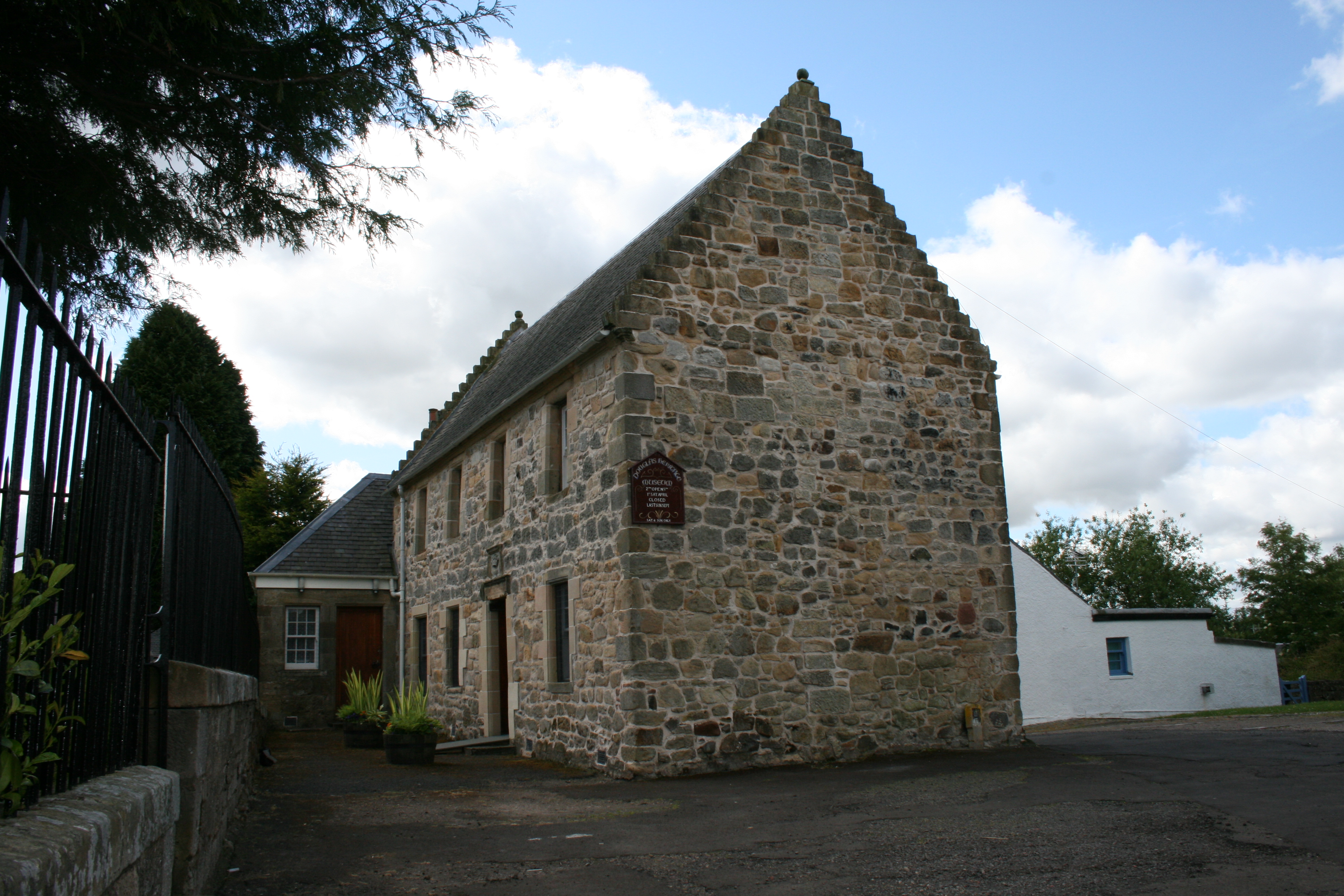
Douglas Heritage Museum
St Sophia’s Chapel, in the Lanarkshire village of Douglas, is now home to the Douglas Heritage Museum. Originally the Dower House of the old Castle of Douglas, the building has had many uses in its lifetime, before being converted to the present museum in 1993.
In 1706, the building was reconstructured to provide a Parish School. The inscription above the door tells the story (see below). A century later, it was used as a poor House where a night’s lodging was given to vagrants. Later it reverted to being a dwelling-house and remained as such til 1961 when it was dedicated as an Episcopal Church to replace the chapel in Douglas castle.
The exhibitions are changed annually to show the various aspects of village life, Douglas families and the Cameronian Regiment. The museum is open Saturdays and Sundays from 2.00 – 5.00 pm or by special arrangement.
Read More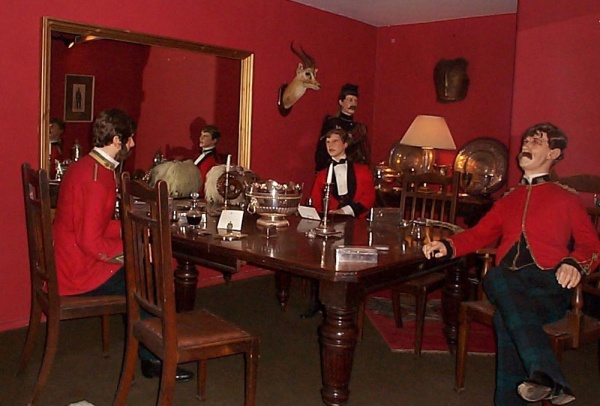
The Kingʼs Own Scottish Borderers Regimental Museum
The KOSB Museum is located within Berwick Barracks, an English Heritage site. The admission fee provides access to the Regimental Museum, Berwick Town Museum and Art Gallery, and the exhibition By Beat of Drum. English Heritage admission charges apply. This museum offers historical regiment documents, photos & artifacts.
Read More
John Wesleyʼs House and The Museum of Methodism
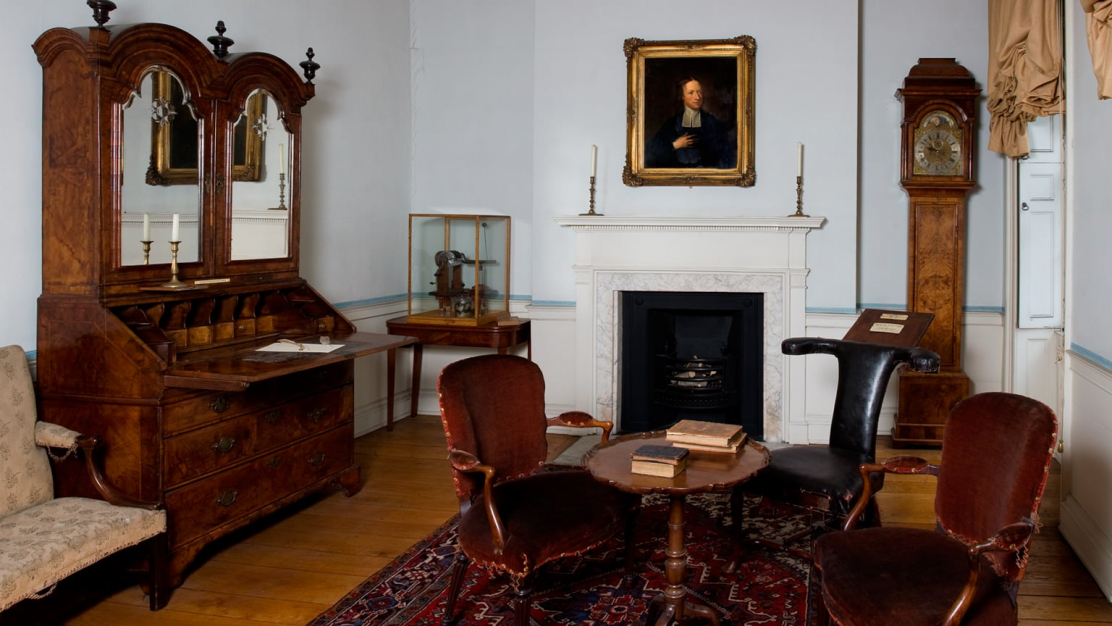
On November 1st (All Soul’s Day), John Wesley commissioned his house to be built for his own use and for visiting preachers. It was designed by George Dance and built by a local builder and one-time preacher, Samuel Tooth.
Wesley moved into this house on October 9th 1779. He was to use it as his London base during the winter months. He spent the rest of the year, travelling the length and breadth of the country on horseback, spreading the word of God.
As Wesley’s wife had left him some years earlier, he lived as a bachelor and occupied the first floor. The remainder of the house was used by visitors, preachers and servants. Wesley often referred to those staying in the house as his ‘family’.
After Wesley’s death in 1791, the work at Wesley’s Chapel continued and the house became the residence of the Superintendent Minister of the Chapel. In 1898, after extensive restoration, John Wesley’s House was opened to the public as a museum.
The Museum of Methodism and John Wesley’s House, Mission Statement
The Museum of Methodism tells the history of Methodism from John Wesley to the present day and its contribution to shaping Britain’s political and social history.
John Wesley’s House stands next to the Chapel. It was his home for over a decade, and is one of the finest surviving small Georgian townhouses in London.
Read More