

Garstang Museum of Archaeology
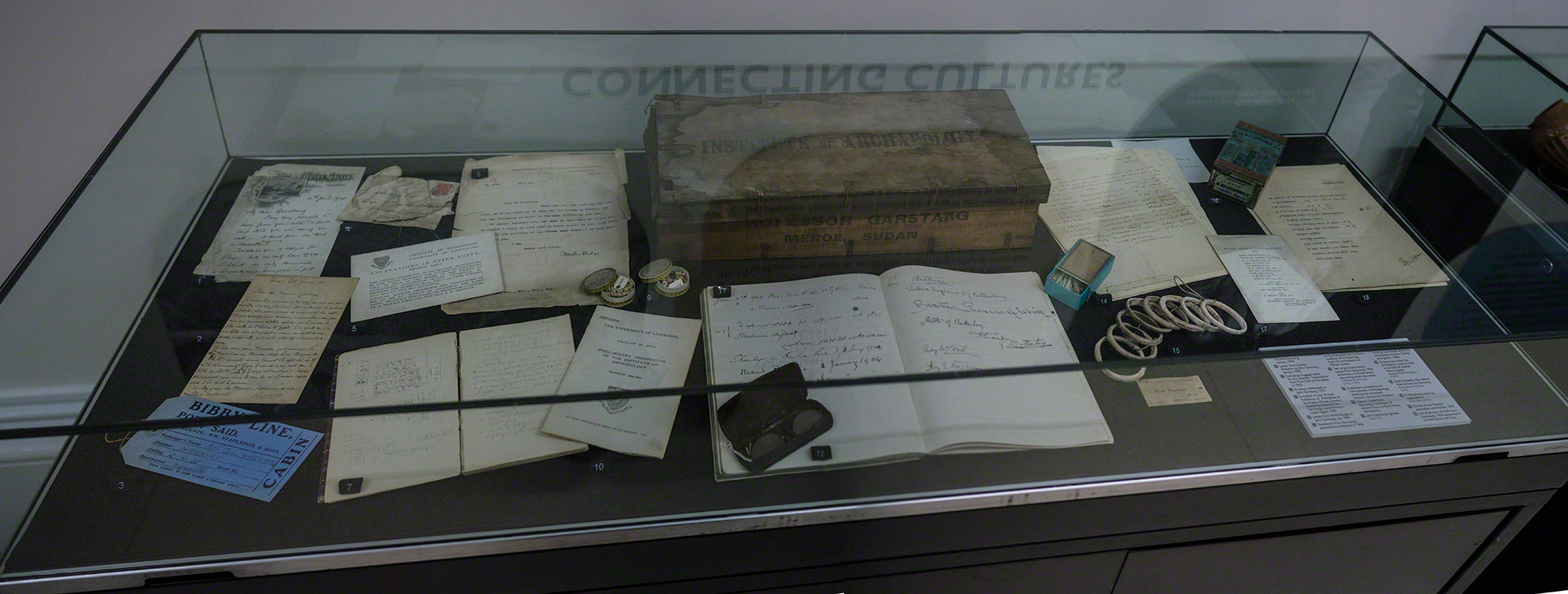
The Garstang Museum of Archaeology’s public galleries feature artefacts from the excavations of Garstang in Egypt, Sudan, and the Near East. One of the highlights of our displays is the Egyptian mummy at the heart of our ‘Egyptian Afterlife’ gallery. There are also displays of Prehistoric material and artefacts from the ancient Mediterranean world.
The Museum is named in honour of Professor John Garstang, who founded the ‘Institute of Archaeology’ and associated museum, at Liverpool in 1904.
Read More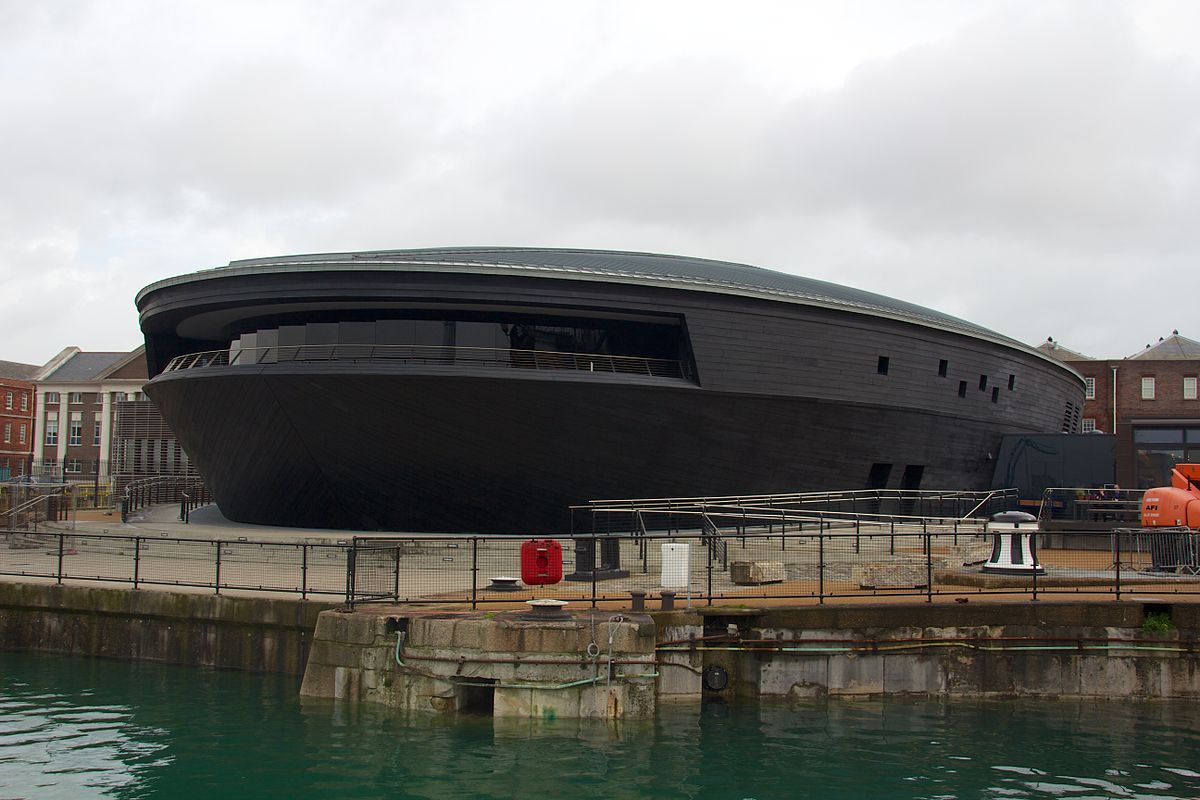
Mary Rose Ship Hall and Museum
The Mary Rose Trust is a limited charitable trust, formed in 1979. It is responsible for conserving and displaying the Mary Rose hull and her unique collection of artefacts for this and future generations. It is also responsible for developing the museum as a world-class visitor experience and as a scientific and educational resource. For those who are unable to visit the Mary Rose Museum, the Trust offers an extensive and innovative outreach programme.
The Mary Rose provides the finest insight into life 500 years ago. It tells the story of the ship and her crew through their personal possessions and their professional tools.
The President of the Mary Rose Trust is HRH The Prince of Wales, who has been involved with the Mary Rose ever since his first dive on the wreck back in 1974. Prince Charles continues to follow the project with a very close interest, and has played an active role in our objective of reuniting the Mary Rose with her incredible collection of artefacts.
Read More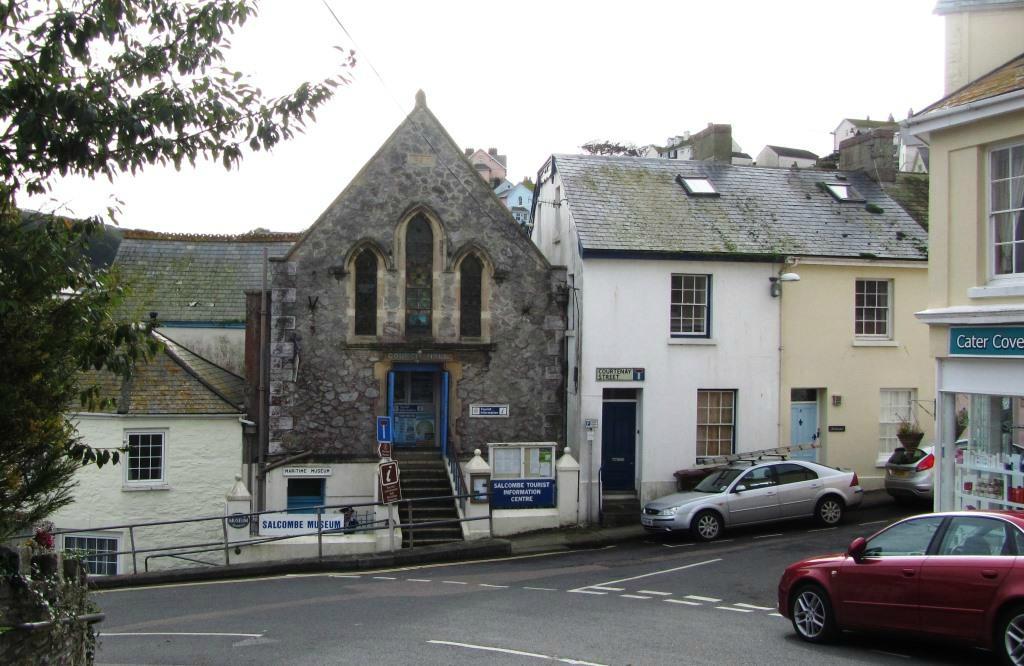
Salcombe Maritime Museum
The harder you search the more you will find in this friendly little museum…… A treasure trove of models, paintings, photographs and artefacts which tell the story of Salcombe’s links with ships and the sea from ancient times to the Second World War.
There is plenty to amuse and engage younger visitors including hands-on displays, models and pirates’ treasure, in the ‘young sailors’ corner’.
The Museum has a unique gallery of paintings depicting the famed racing fruit schooners built in Salcombe during the 19th century.
Today Salcombe is a fashionable yachting centre but traditional boatbuilding crafts are still carried on in the town and the Museum houses an impressive collection of tools that tell the story of these maritime trades.
Finally, don’t miss the sea-bed treasures recovered by divers from the hundreds of shipwrecks that line our coast.
Read More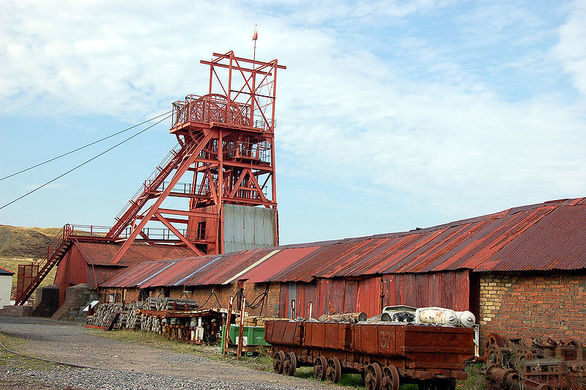
Big Pit National Coal Museum / Big Pit Amgueddfa Lofaol Cymru
Big Pit was originally an iron mine, driven into the side of the mountain not far from the surface due to the shallow iron deposits, the level is called Engine Pit Level and can still be seen on the bridge connecting Blaenavon and Garn Rd at 51.773998, -3.092075 coordinates. The Iron Workings are above the Big Pit coal workings, for some time Engine Pit Level was used as an emergency exit for Big Pit whilst it was working, now the River Arch Level is the escape route. Engine Pit Level was driven around 1810 by hand due to dynamite being invented 5 decades later. There are a few pictures online showing the interior of the Engine Level from the 60’s when miners from Big Pit explored the level, finding an old flange-less wheel’ed dram inside, now at a museum.
Read More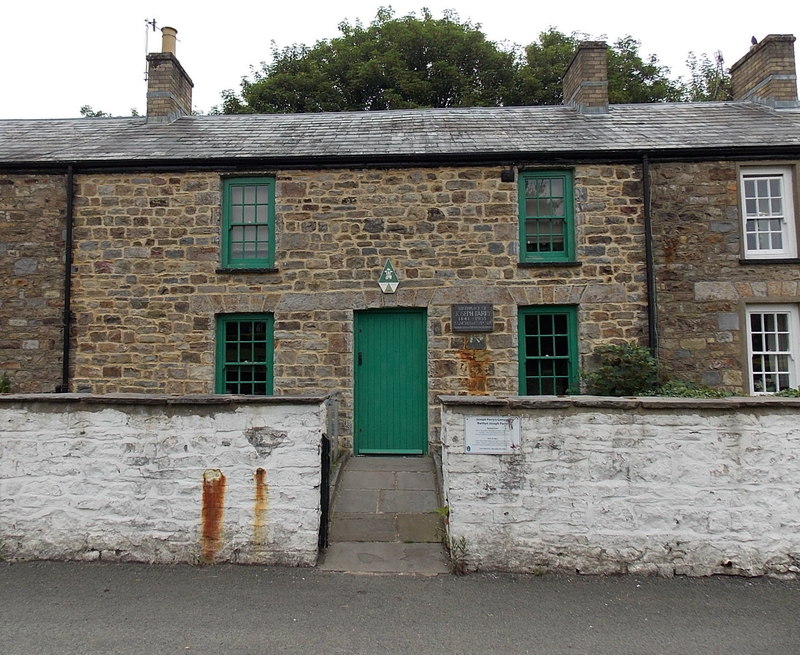
Joseph Parryʼs Cottage and Museum
4 Chapel Row is a fine example of a typical ironworker’s cottage. Built in the 1820’s for the workers of the Cyfarthfa Ironworks, the cottage was the birthplace in 1841 of Joseph Parry, Wales best known composer. His much loved ‘Myfanwy’ is still a favourite of Welsh Male Voice Choirs to this day.
The interior of the cottage is set in the 1840’s, and shows the living conditions of the ironworkers at the time when Parry was a young boy. The upstairs galleries house an exhibition about Parry’s life and work, and a small section giving further background to Merthyr Tydfil’s industrial past.
Read More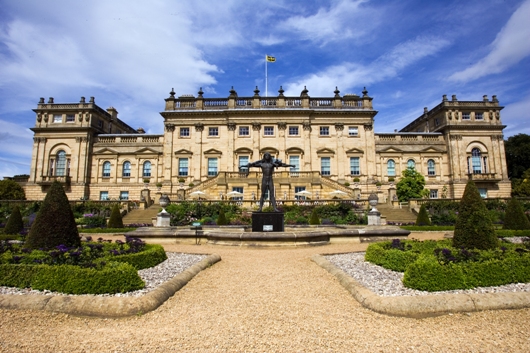
Harewood House
Harewood sits in the heart of Yorkshire and is one of the Treasure Houses of England. The House was built in the 18th century and has art collections to rival the finest in Britain.
Visitors can enjoy exhibitions of contemporary art, rare Bird Garden, Farm Experience and over 100 acres of exquisite gardens to explore.
Be part of the living history and visit Harewood House.
Read More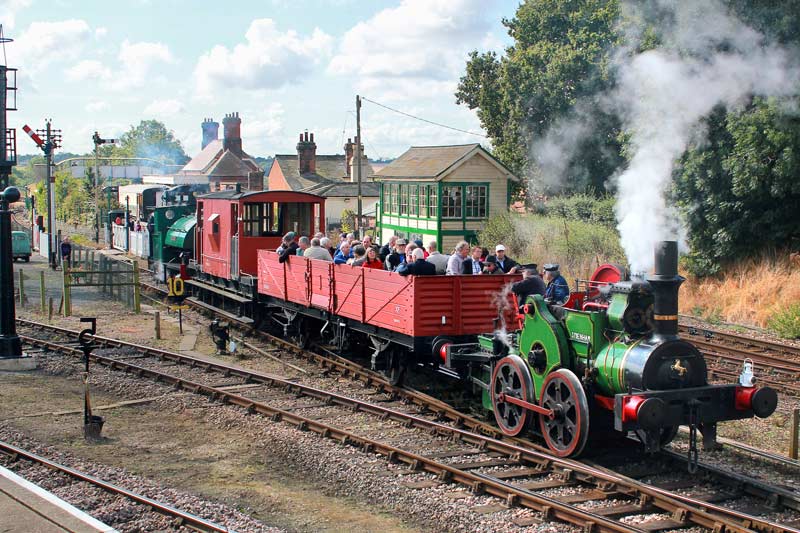
East Anglian Railway Museum
The history of the East Anglian Railway Museum is one of hard work, sweat and steam, as a small number of dedicated enthusiasts and volunteers strived to ensure the survival of an important piece of our industrial and cultural heritage.
The Stour Valley Railway Preservation Society was initially formed in 1968 with the aim of preserving the recently closed stretch of line from Sudbury to Long Melford, a distance of some three miles. However, lack of funding meant this project was ultimately unsuccessful and the line was lost.
The following year the society re-established at Chappel and Wakes Colne Station after securing a lease from British Rail for the derelict goods yard, goods shed, signal box and station buildings. Members were faced with a daunting task – the site was without electricity and the track had been dismantled in preparation for removal.
Despite this, the first public “steaming” took place just three months later, when the only operational locomotive carried passengers along a short stretch of re-laid track. The hard work continued for many years as buildings were restored the teams took delivery of a miscellany of rolling stock and locomotives.
Thackray Medical Museum
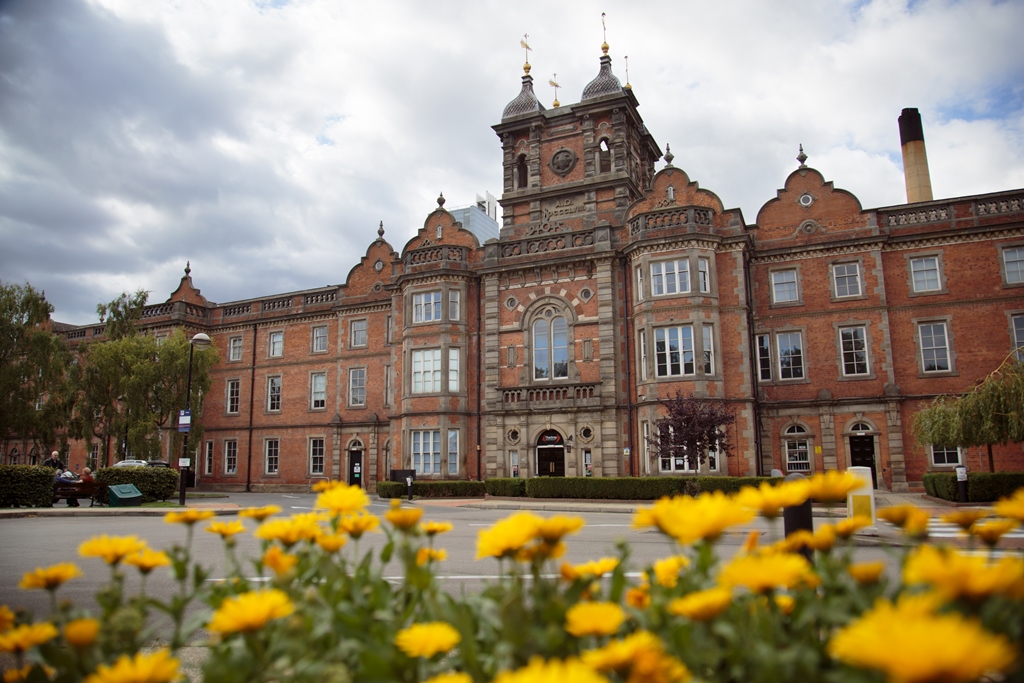
The Thackray Medical Museum, admired today for its imposing architecture and grand entrance hall, has a long and chequered history.
It first opened in 1861 as the purpose-built Leeds Union Workhouse, a harsh and unwelcoming home for poor and homeless people with nowhere else to go. Over the years, new buildings were gradually added to the workhouse complex, including a separate infirmary.
More enlightened policies and the introduction of state support in the early twentieth century meant that workhouses were no longer needed, and in 1925 the Leeds Union Workhouse infirmary was renamed St James’s Hospital. By 1945, the rest of the workhouse had merged with the hospital and it became part of the NHS in 1948.
By the 1990s, the old Leeds Union Workhouse building was considered unfit for modern medicine. As a listed building, it could not be demolished and Parliament gave permission for it to house the Thackray Medical Museum, which opened in 1997.
Read More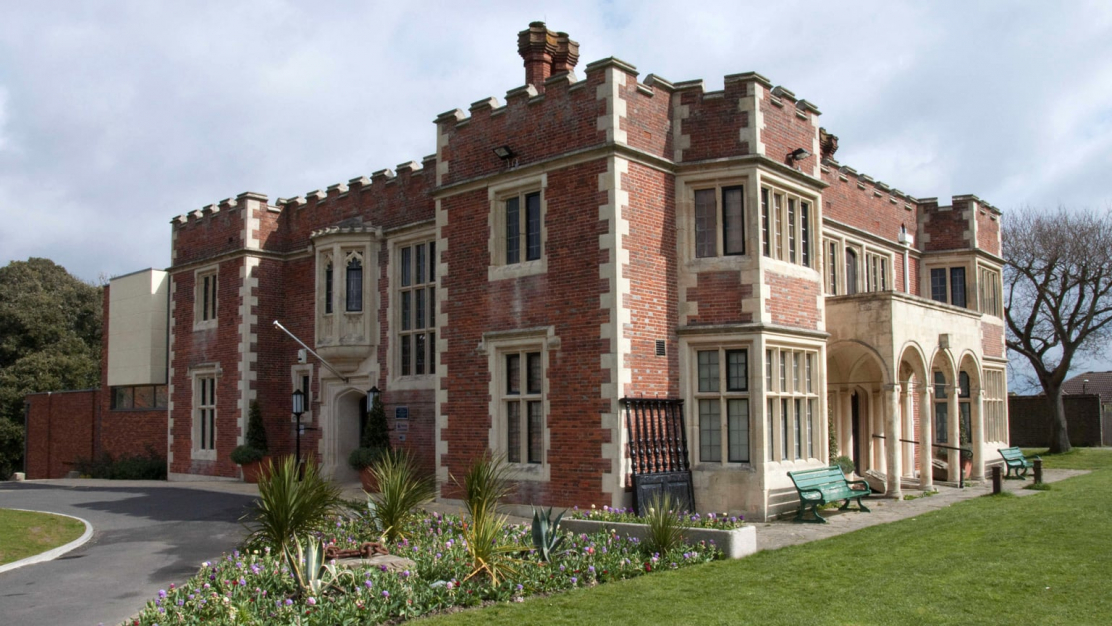
Hastings Museum and Art Gallery
Hastings Museum & Art Gallery is a family-friendly museum with amazingly diverse collections. There really is something for everyone here!
The Museum was established over 120 years ago and has always offered local people and visitors to the town the opportunity to explore art, culture and history from around the world. The Museum’s collections continue to grow and it now has around 97,000 objects of local history, natural sciences, fine & decorative arts, and world cultures.
Read More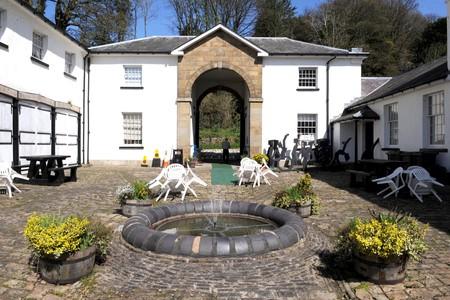
Pontypool Museum
Set in a Georgian stable block, Pontypool Museum is an Accredited Museum managed by Torfaen Museum Trust. The Trust have been safeguarding and collecting art, historical objects and cultural artefacts on behalf of the borough since 1978.
There are over 15,000 items on view from our collections ranging from prehistoric objects and medieval treasure troves, to industrial revolution collections, and fine & decorative art including the famous Pontypool Japanware.
With seasonal exhibits, exclusive art events, an extensive library specialized in local content plus our world famous collections of Pontypool Japanware; Torfaen Museum Trust is looking after the Eastern Valley’s history for future generations.
Every year, 35,000 visitors enjoy the unique collections curated by Torfaen Museum Trust at Pontypool Museum and there is always something of interest on display for everyone.
Read More