

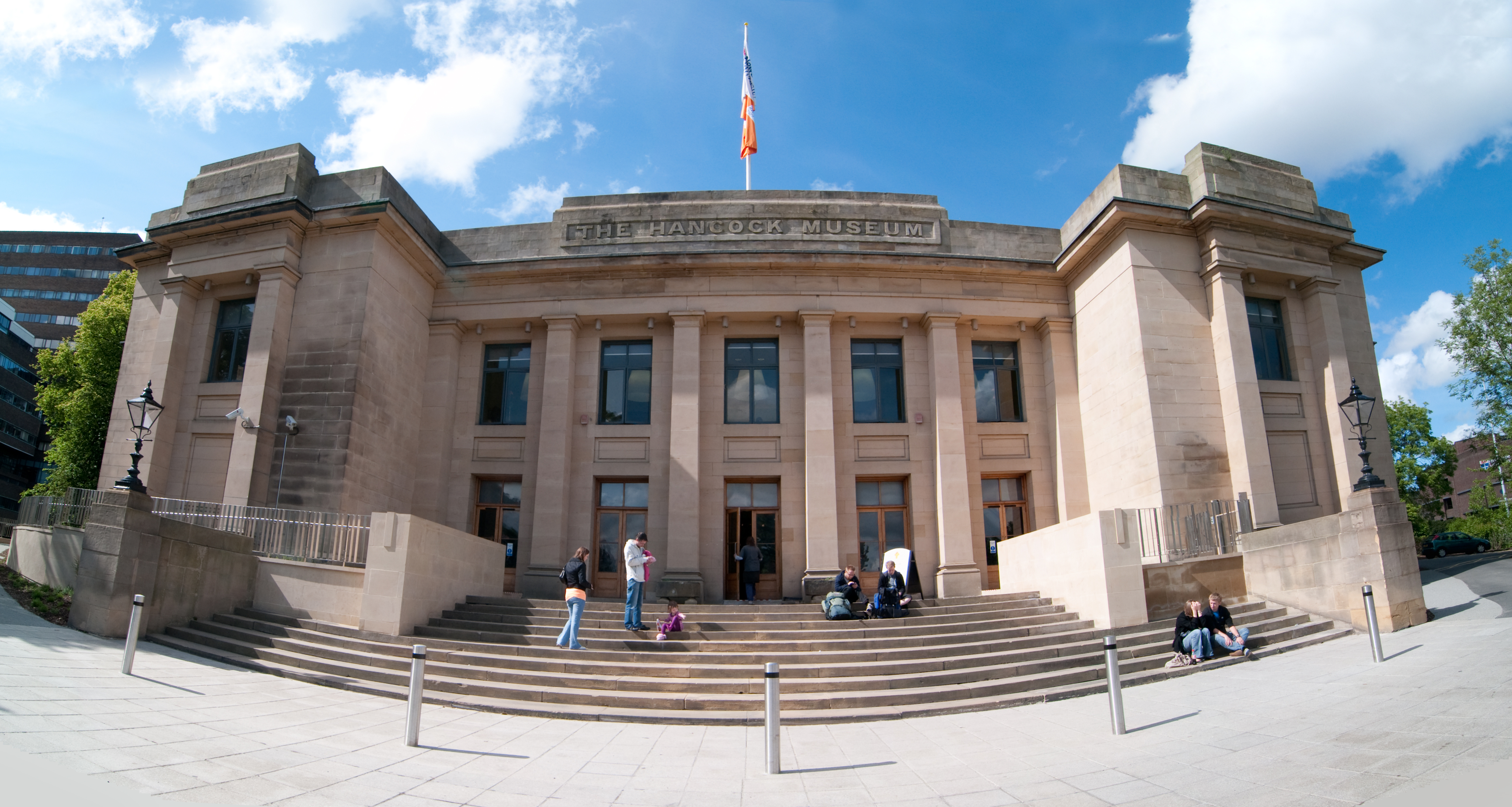
Great North Museum: Hancock
The Living Planet gallery spans the ground and first floor of the museum and tells the story of wildlife and habitats. It also features live animal tanks and aquaria. Also on the ground floor, the Hadrian’s Wall gallery enables visitors to discover the detailed history of the World Heritage Site as well as finding out about all the forts, milecastles and associated museums that can be visited today. The gallery includes a wealth of archaeological finds from across the 73 mile stretch of Hadrian’s Wall.
The Mouse House, near the entrance of the Museum, is especially for Under 5s and there are regular activities for younger visitors in this space.
Also on the ground floor is Fossil Stories, which uses fossils show major changes to the landscape and the animals and plants that were around millions of years ago. It also features a T. rex replica skeleton.
On the first floor of the Museum visitors can discover the world of the Ancient Egyptians – including two mummies – and marvel at important collections of Greek and Etruscan art and archaeology. Natural Northumbria uncovers what is special about the North East of England’s animals and plants exploring woodlands, uplands, lowlands, and coastal areas.
Read More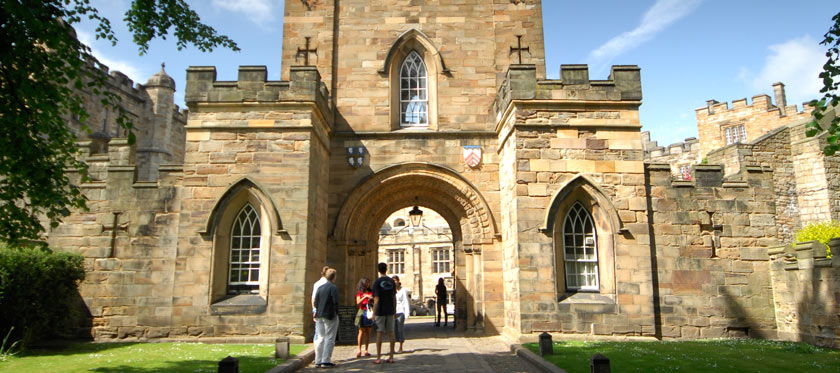
Durham Castle, University of Durham
The present Castle began in 1072 as a simple defensive mound commissioned by William the Conqueror to defend the peninsula formed by the meander in the River Wear. Over the centuries, the Castle has been a residence of the Bishops of Durham who added to the buildings and altered them to suit the needs of the time.
The University of Durham was founded in 1832 by Bishop Van Mildert and the Dean and Chapter of the Cathedral. After Van Mildert’s death in 1836 the Castle was handed over to the University and became University College in 1837, the oldest of the Durham Colleges. Early generations of students lived either in University House, now Cosin’s Hall, or in the Castle Keep which was reconstructed in 1840.
Read More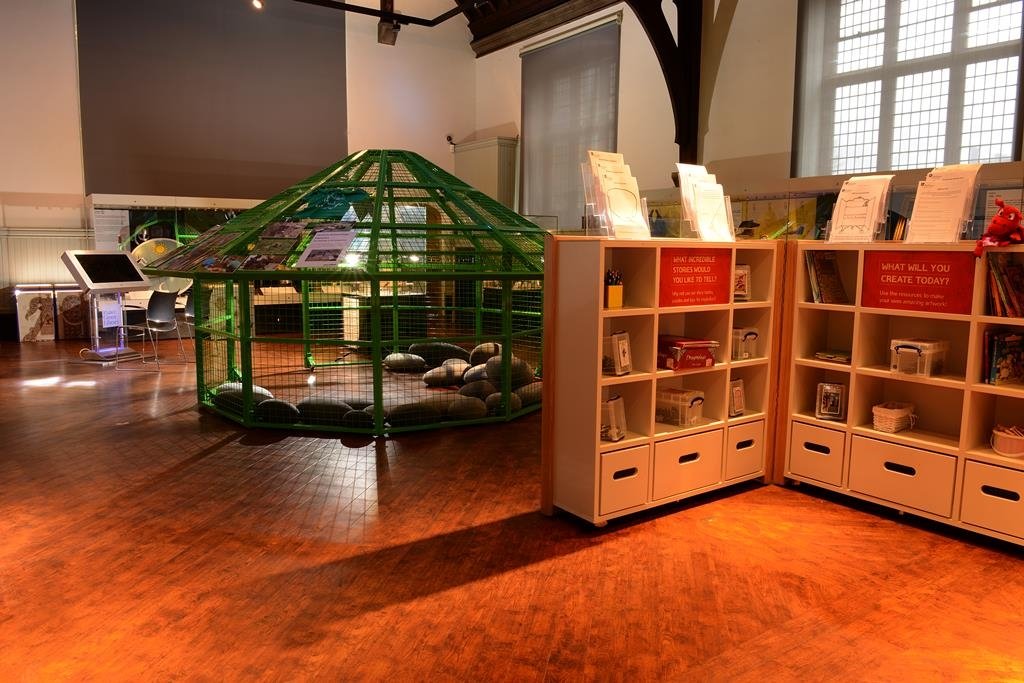
Durham University Museum of Archaeology
The Museum of Archaeology in its current form grew out of the Department of Archaeology at Durham University. The link between the two remains a close one. However, the history of the Museum goes back much further, to the founding of the University and the first University Museum.
The first Durham University Museum was founded in the Old Fulling Mill on the banks of the River Wear in 1833, the year after the founding of the University itself. It was the second university museum in England to be opened to the public.
The original museum was a typical Victorian collection of natural history specimens, foreign curios and antiquities. Its first keeper, William Proctor, was appointed “to the charge of the Birds in the Museum” in 1834 at a stipend of £25. Proctor (1798 – 1877) was a carpenter’s apprentice who turned to natural history and specialised in taxidermy. His best-known exploit was a trip to Iceland in search of unknown species. Exhibits in the museum included a great auk, a polar bear’s foot and a stuffed lion. Other highlights included botanical and geological specimens and curiosities such as an admission card to Nelson’s funeral, a pair of Chinese slippers, a silver trophy won at the 1835 regatta and hair balls from a cow’s stomach.
Antiquities such as fragments of St. Cuthbert’s coffin, prehistoric flints, coins from Hadrian’s Wall, a bone skate from York, and miscellaneous objects from Rome, Carthage, Jerusalem and Memphis, were supplemented in 1880 by material excavated from the Roman fort of Vinovia at Binchester (near Bishop Auckland). This formed the basis of the early archaeological collection.
Read More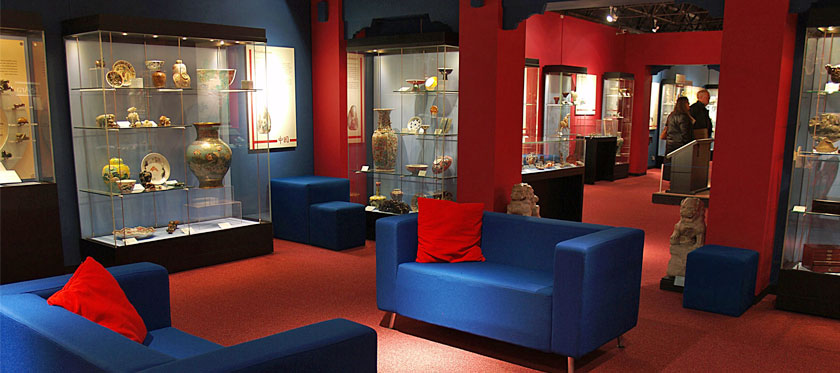
Durham University Oriental Museum
‘The Orient’ is not an area with defined geographical boundaries. The term can mean widely differing things to different people. In the case of the Oriental Museum, the definition is a wide one indeed, with the collections covering a huge area from North Africa to South East Asia. This is the legacy of the origins or the Oriental Museum in the teaching of oriental languages at Durham University.
The museum celebrated its Golden Jubilee in 2010. Opened in 1960 to support university teaching and research, the museum’s role has changed enormously over the years.
The Oriental Museum plays an important part in a number of major international projects at Durham University working with museums and universities across Asia.
Read More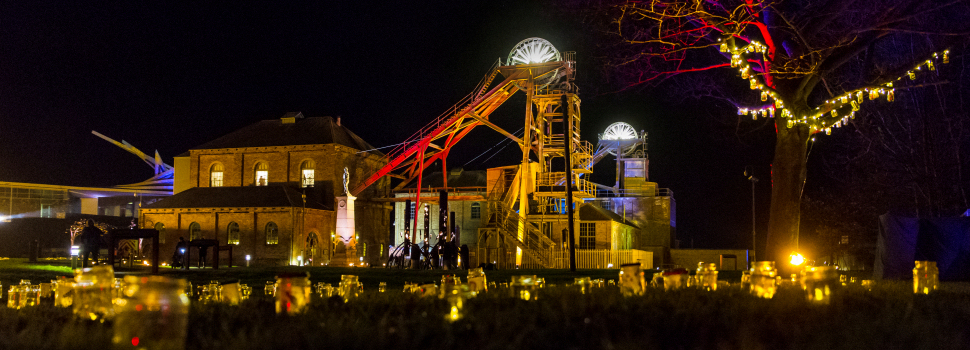
Woodhorn Museum
For more than 80 years Woodhorn was a coal mine. Work to sink the first shaft began in 1894 and the first coal was brought to the surface in 1898. At its peak almost 2,000 men worked at the pit and 600,000 tons of coal was produced each year. Production stopped in 1981 but the shafts continued to be used for neighbouring Ashington Colliery until 1986. It began its life as a museum in 1989 and following major redevelopment, reopened in October 2006. Today, the yellow Ashington brick buildings have protected, listed status. The site is recognised as a Scheduled Ancient Monument and it is the best surviving example of a late 19th/early 20th century colliery in the North East tradition.
Read More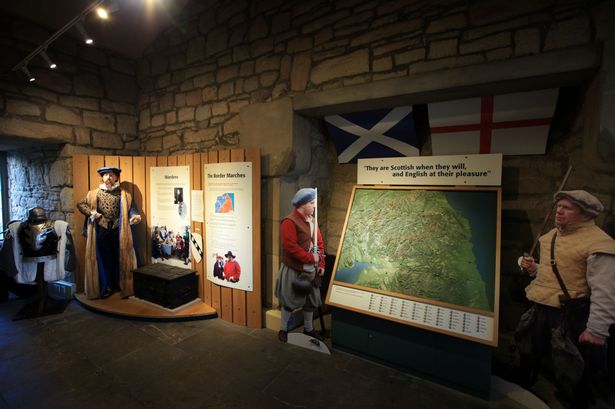
Hexham Old Gaol
Learn about the laws of the Borders and the powerful March Wardens appointed by the Medieval monarchs to keep order in a lawless land. Trace the Reiver family names and uncover your own connection to the area’s history. Find out about the weaponry and armour, and ponder the ghostly tale of Sir John Fenwick’s skull. Watch as the trauma of life and the ever-present threat of violent family feuds is brought vividly back to life on film, then meet the family recounting tales around the kitchen table.
Dig deeper into the culture of the Borders through the Border Library Collection, dip into the music archive and listen to recordings.
Enjoy the regular hands-on family activities and visit the temporary exhibitions from Medieval life to local history too. Don’t forget to visit the gift shop before you leave and browse a delightful selection of books, gifts and mementos.
Read More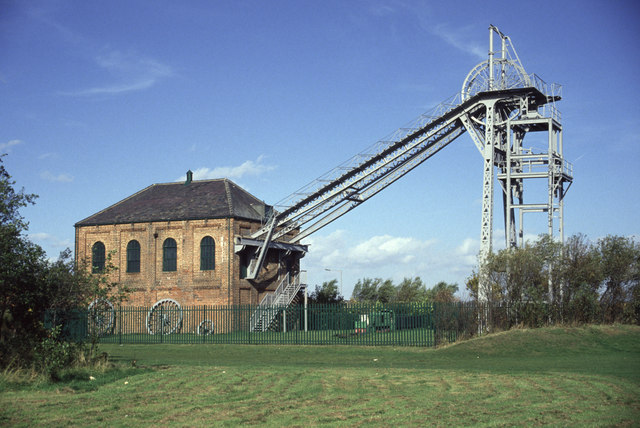
Washington ‘F’ Pit Museum
Step back in time and remember the region’s coalmining heritage. See the impressive winding engine which once took pitmen to the coalface and brought coal to the surface, now operated by an electric motor. The ‘F’ pit, which was sunk in 1777, became the largest coal-producing pit at the colliery but eventually closed on 21 June 1968 when the last coals were drawn to the surface.
Read More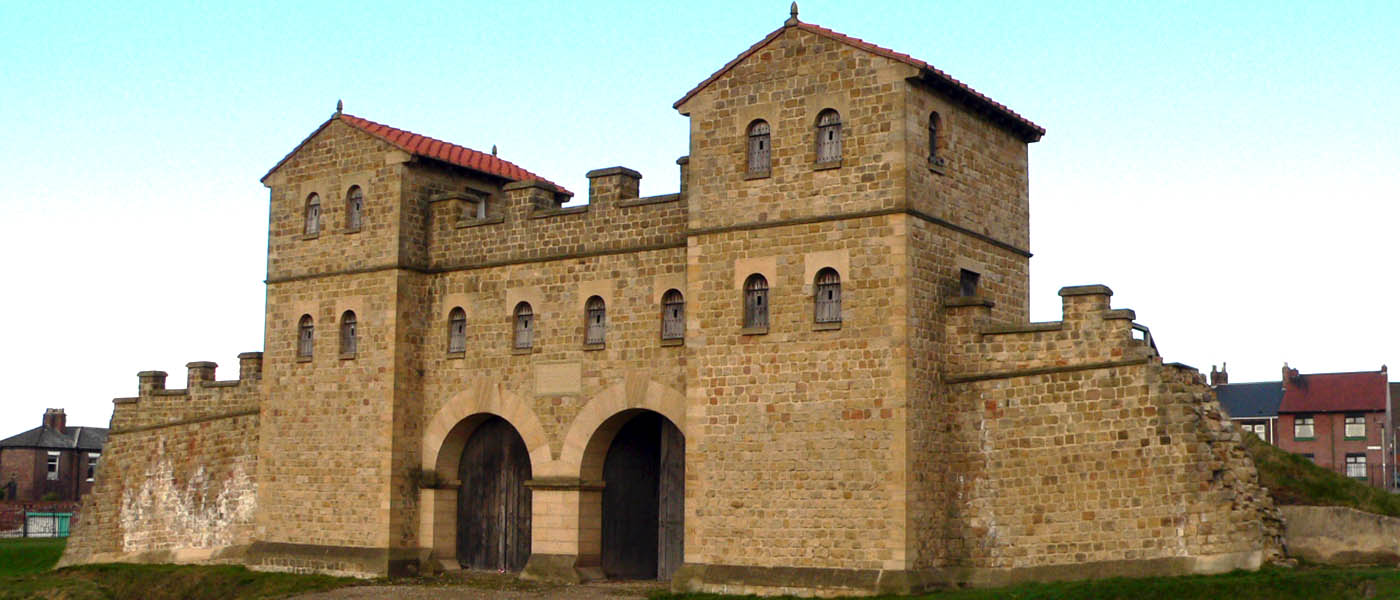
Arbeia Roman Fort and Museum
Archaeologists have been excavating at Arbeia since the 1870s.
The finds recovered by the early excavators form the focus of the collection at Arbeia which is one of the largest and most significant from Hadrian’s Wall.
The collection includes coins, engraved gemstones, jet ornaments, seal boxes, imperial seals, brooches pins and other jewellery as well as a military hoard included swords and other equipment. There is also a large collection of pottery including a range of cookware and elaborately decorated plates, dishes and other tableware.
Some of the standout larger pieces in the collection are the inscribed stones, altars and graffiti that refer to individuals and places across the Roman Empire as far as Syria in some instances.
Recent excavations have taken place on the interior of the Fort and the current excavation taking place in the south west corner of the site has come about after considerable research that was undertaken into the civilian settlement (vicus).
The excavations and research have helped provide a broad and balanced picture of life at Arbeia during the Roman occupation.
Read More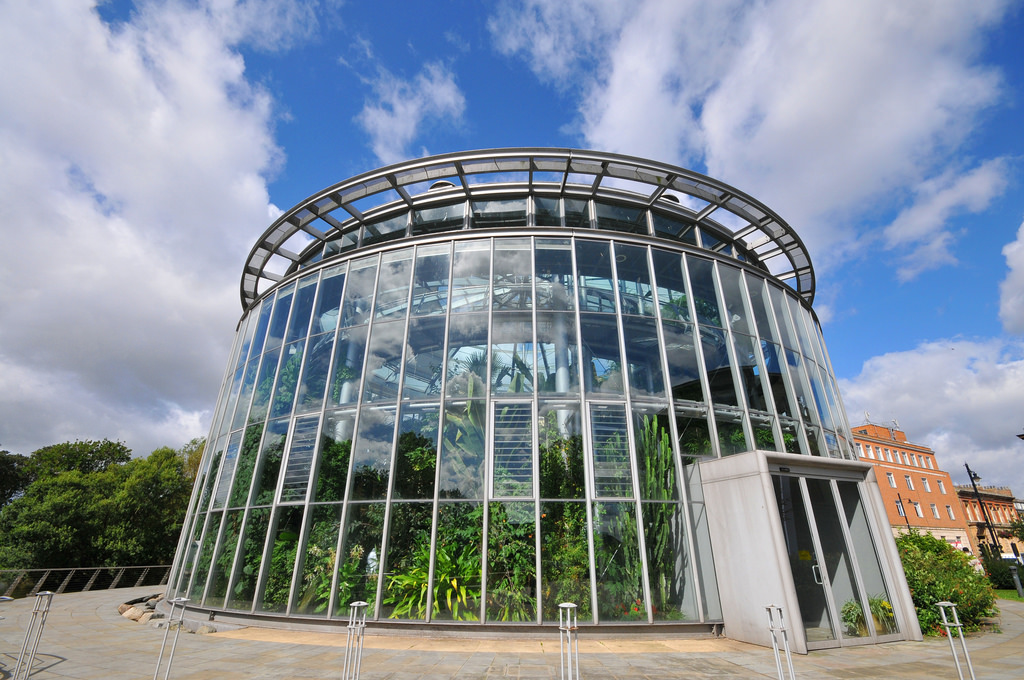
Sunderland Museum & Winter Gardens
Discover Sunderland’s fascinating history in one place. With a collection dating back to 1846 there are plenty of surprises at Sunderland Museum & Winter Gardens. Perhaps the most famous object of all is Wallace the Lion.
Wallace was part of a touring wild animal show which visited Sunderland during the 1800s with the then famous African tamer Martini Maccomo. When he died, some years later Wallace the lion, came into the Museum’s collection and remains one of the most popular exhibits. Over 135 years later, he’s still here…posing for selfies!
You’ll also find hundreds of other amazing object like the first Nissan car to roll off the production line at their Sunderland factory in 1986. Galleries cover the shipbuilding, glass and pottery making industries the Anglo-Saxon period and many other aspects of the city’s past.
The Art Gallery shows a significant collection of the works of LS Lowry and artist who spent lots of time in Sunderland. The temporary exhibition and events programme mean that there is always something new and exciting to see and do for all the family.
The Winter Gardens, a 21st Century addition to the museum is a tropical paradise. Over 2,000 plants thrive in the glass rotunda and from the tree top walkway visitors have bird’s eye view of beautiful Mowbray Park.
Please note that the Pottery Gallery is occasionally closed to the general public due to special events taking place. Please contact the museum before your visit to check opening information.
Entry to the museum is free but donations are welcome.
Read More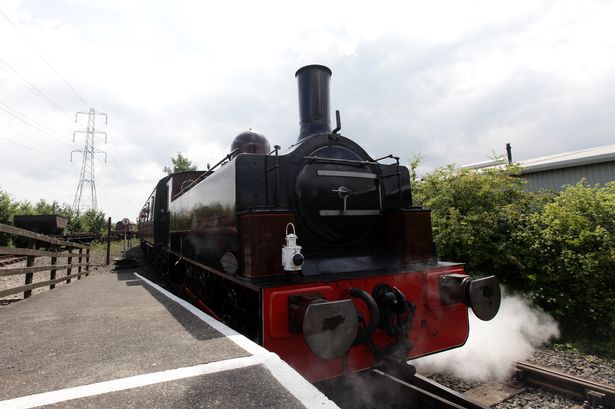
Stephenson Railway Museum
Re-live the glorious days of the steam railway at Stephenson Railway Museum in North Shields. George and Robert Stephenson spent 20 years in North Tyneside developing their pioneering ideas which helped spread railways and locomotives around the world. Today the Museum celebrates their achievement. A range of fascinating locomotives are on display including George Stephenson’s ‘Billy’, a forerunner of the world-famous Rocket. Interactive exhibitions explore how trains work and the impact on peoples’ lives of coal and electricity, crucial in the development of railway power.
On scheduled days visitors can take a ride on a passenger train pulled by the ‘Jackie Milburn’ steam engine or heritage diesel locomotives.
Read More