

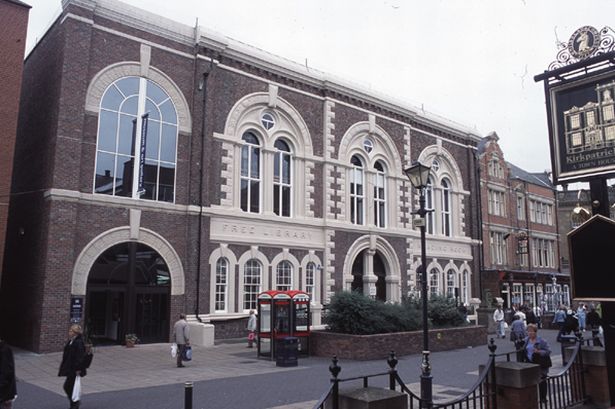
South Shields Museum and Art Gallery
At the very heart of its community, South Shields Museum celebrates the rich heritage of South Tyneside and the people who shaped it. The building that South Shields Museum currently occupies has had a long and interesting past. It was constructed in 1860 as a home for the South Shields Literary, Mechanical and Scientific Institution. In 1873 the building became the town’s first free Public Library and Reading rooms and it opened as a museum in 1876.
The museum is spread over two floors telling the story of the borough’s social, industrial and maritime history from 4,000 years ago to the present day through a range of displays, exhibitions and nationally significant works of art.
On the ground floor you can get closer to the collection and treasures of South Tyneside. There’s also Creature Corner, home to our resident reptiles and insects, the shop and a small cafe, the Victorian Pantry, serving a range of hot and cold refreshments.
Up on the first floor is our art gallery which holds regular exhibitions.
Read More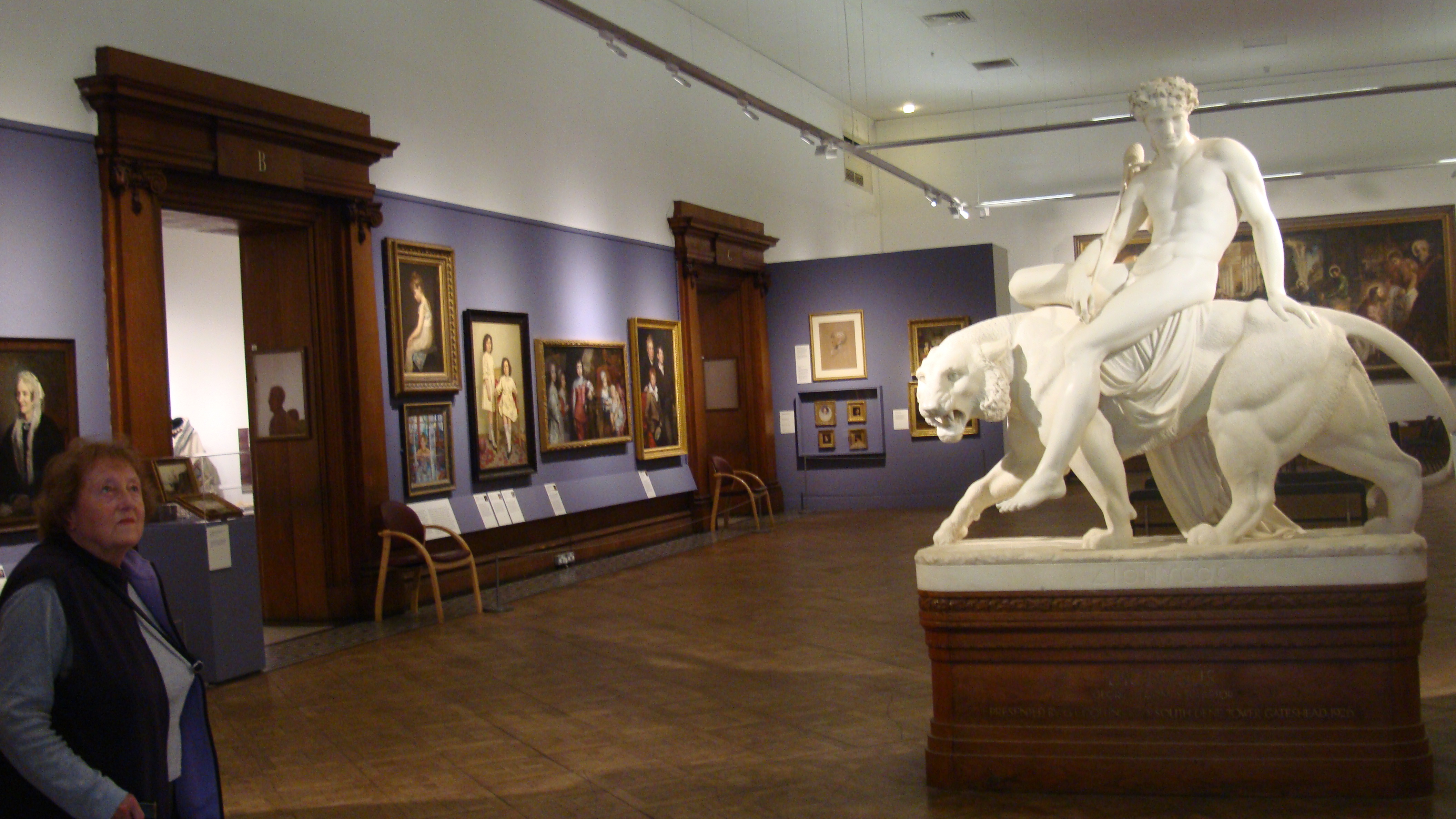
Shipley Art Gallery
he Shipley Art Gallery opened in 1917 with a collection of 504 paintings bequeathed by local solicitor Joseph Shipley. Since then the collection has grown to include nearly 800 paintings and collections of works on paper, decorative art and contemporary craft. The Shipley’s art collections were designated as being of national importance in 1998 and include local favourite, William Irving’s painting The Blaydon Races.
In 1977 the Shipley began collecting contemporary art made in Britain. Over the last 25 years the venue has become established as a national centre for contemporary craft and has built up one of the best collections outside London, including ceramics, wood, metal, glass, textiles and furniture.
The Shipley is also home to The Henry Rothschild collection of studio ceramics. This includes work by all major makers and studios working in ceramics during the 20th century in the UK. In 1946, Henry Rothschild opened Primavera in London. It became the country’s leading craft retailer. The shop stocked furniture, textiles and glass but mostly ceramics. Henry Rothschild was an important figure for craftspeople, offering them his encouragement and support. He worked hard to promote the best potters when others had yet to take notice.
In partnership with Northumbria University the Gallery now offers the Henry Rothschild Bursary for Ceramic Artists. A series of five bursaries will be offered to early career ceramicists. The bursaries are jointly funded by Henry Rothschild’s family and Northumbria University.
There are five gallery spaces, showing a range of temporary exhibitions throughout the year. There are also regular events including artist and curator talks, family activities, concerts and vintage and craft fairs.
Read More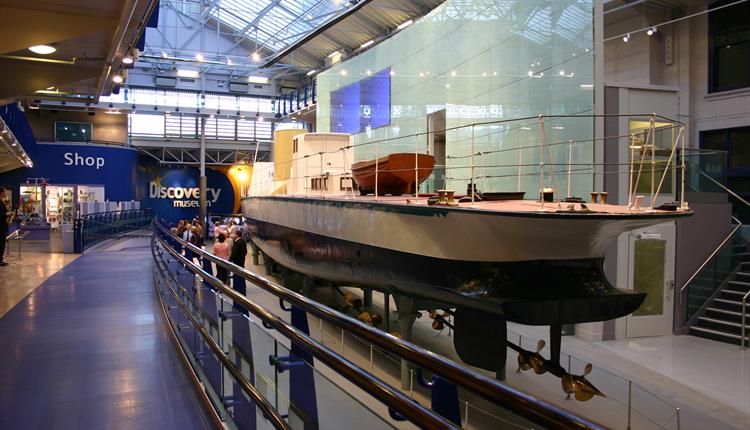
Discovery Museum
Discovery Museum is housed in the old Co-operative Wholesale Society building, Blandford House. Opening in 1899, it quickly became an iconic building in Newcastle city centre. Blandford House became a museum in 1978 and was re-launched as Discovery Museum in 1993.
Discovery Museum started life in Exhibition Park, Newcastle in 1934 as the Municipal Museum of Science and Industry, the first science museum outside of London. It was housed in the temporary pavilion that was built for the 1929 North East Coast Exhibition.
As you enter the museum you’ll come face to face with Turbinia. Charles Parsons’ 34 metre steam powered ship that was once the fastest ship in the world and an iconic part of the history of Tyneside.
Immerse yourself in the history of Newcastle and Tyneside told through permanent displays and temporary exhibitions over three floors focusing on the area’s martime, scientific and technological importance to Britain and the rest of the world.
On the ground floor you’ll find the temporary exhibition space as well as Newcastle Story which takes you on a journey through the city from the Roman times to the early millennium. The ground floor is also home to Tyne & Wear Archives and the museum gift shop.
Read More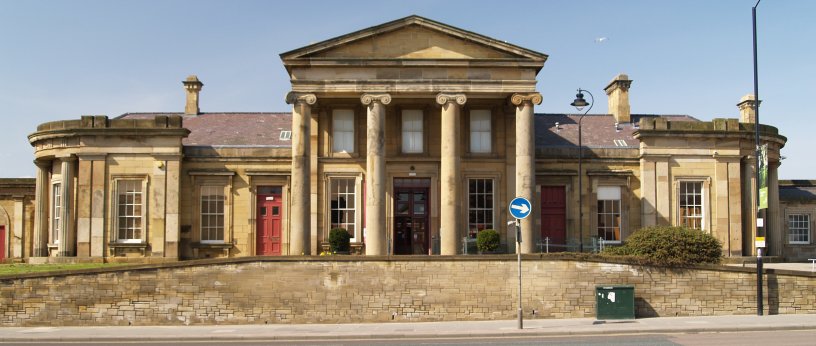
Monkwearmouth Station Museum
Monkwearmouth Railway Station served Monkwearmouth, Sunderland, England. It was built in 1848 to a design by Thomas Moore and was once the main railway station in the city. The railway station closed in March 1967 and featured a restored booking office dating from the Edwardian period.
The Tyne and Wear Metro and mainline trains still pass through the station without stopping, but the Metro calls at St. Peter’s station a few hundred yards south of the old station, due to the platforms at Monkwearmouth being too narrow to serve as a Metro station.
The museum is a Grade II* listed building. As well as the ticket office visitors can explore the Wagon Shed, Journeys Gallery and Children’s Gallery.
The museum was closed on May 23, 2017, due to the roof, footbridge and platforms in a very poor condition. The local council has agreed to get the station back open by 2019, if funding is secured for a £3.4 million refurbishment by 12 June 2018. However, this is unlikely to happen, as Network Railand Sunderland City Council are wanting to demolish the building to make way for a new petrol station on the eastern side, and new facilities for St. Peter’s station including a new ground level waiting room, a glass room containing the history of the area (including about the old station) and a restaurant, which, if the plans do go ahead, will belong to the Moore family.
Read More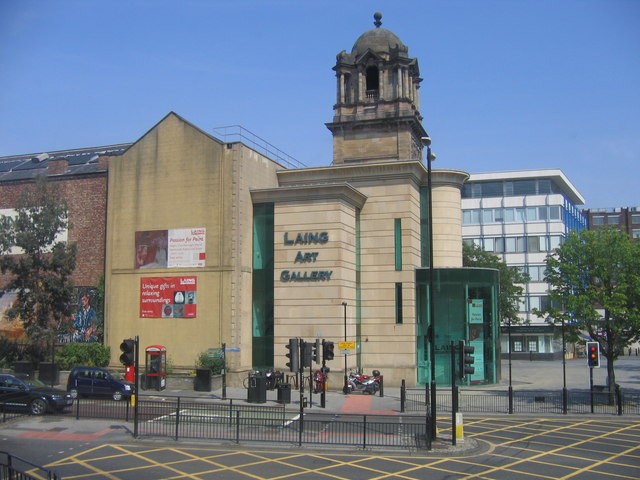
Laing Art Gallery
The funds to build the Laing Art Gallery were provided by Alexander Laing, a Newcastle businessman who had made his money from his wine and spirit shop and beer bottling business.
The gallery was founded in 1901.
Alexander Laing didn’t leave any paintings or other art to the Gallery. He said that he was confident “…that by the liberality of the inhabitants [of Newcastle] it would soon be supplied with pictures and statuary for the encouragement and development of British Art”.
The gallery today is home to an internationally important collection of art, focusing on British oil paintings, watercolours, ceramics, silver and glassware.
The Laing Art Gallery holds regularly changing exhibitions of historic, modern and contemporary art, and events including artist and curator talks and family activities.
On the ground floor of the Laing is the Northern Spirit gallery which displays outstanding artwork and objects produced locally by people including Thomas Bewick, Ralph Hedley and John Martin. You can also see Newcastle silver, glass and ceramics on show.
Also on the ground floor is the shop, café, learning space, under fives’ area and the beautiful Marble Hall, which is occupied by artworks by Henry Moore and Turner Prize nominee Paul Noble.
Read More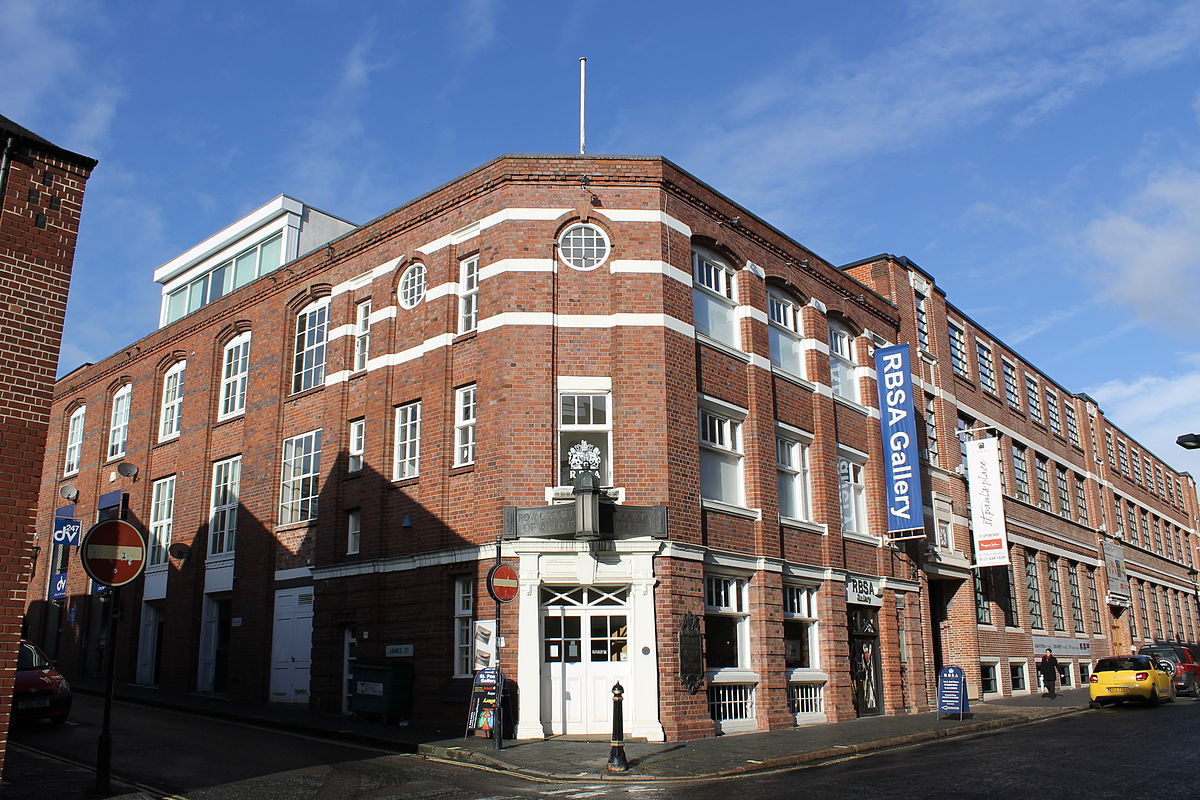
Royal Birmingham Society of Artists Permanent Collection (RBSA)
The Royal Birmingham Society of Artists (RBSA) is an artist-led charity which supports artists and promotes engagement with the visual arts through a range of inclusive activities: exhibitions, workshops and demonstrations. The Society owns and runs its own exhibition venue, the RBSA Gallery, located just off St Paul’s Square, near Birmingham’s historic jewellery quarter and a short walk from the city centre. Admission to all our exhibitions is free and we look forward to welcoming you to the Gallery.
The RBSA Gallery has a changing programme of exhibitions on two floors of gallery space. This programme includes open submission exhibitions: all artists can enter work for selection to these exhibitions. The ground floor has space for solo shows as well as a Craft Gallery, which has established a reputation as the place to find exciting and unique contemporary craft.
2010 marked the tenth anniversary of the Society’s move to its new gallery in St Paul’s Square. This website was created as part of our anniversary celebrations. We gratefully acknowledge the contribution our supporters have made to these celebrations, particularly Arts Council England, Coley & Tilley and the Rowlands Trust.
Read More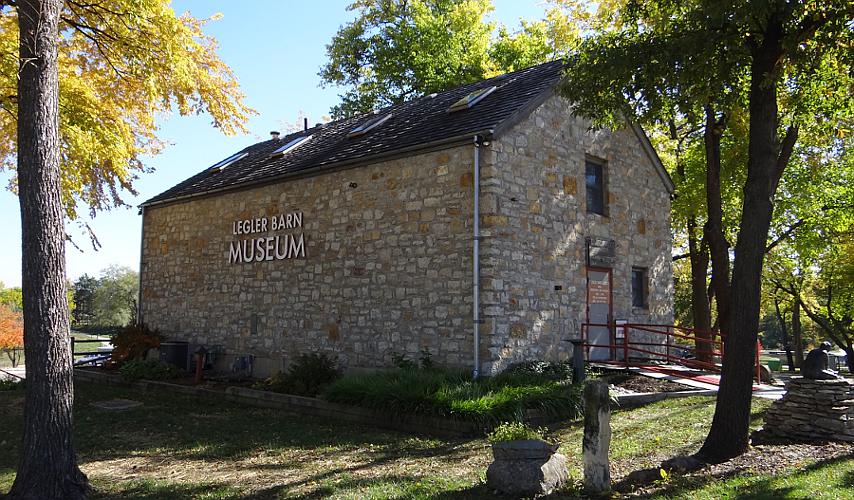
Barn Museum
This museum houses the agricultural and social history collections of Craigavon Museum. There are displays on domestic life in rural areas, blacksmithing, haymaking and local industries. The collections on display include the tools of a local blacksmith as well as items illustrating the area’s links with the linen industry, apple growing and rose growing.
Read More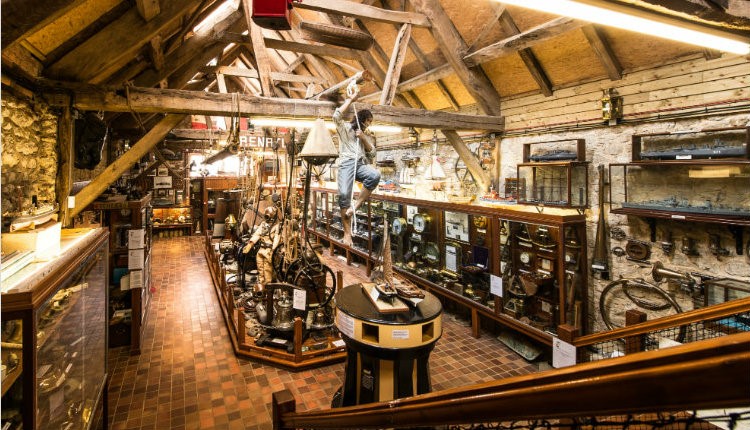
Shipwreck Museum
The Shipwreck Museum is an independent charitable museum in the historic Old Town of Hastings, UK. The museum has artefacts from many ships wrecked in the English Channel from the Goodwin Sands in Kent to Pevensey Bay in East Sussex, including the Amsterdam, a Dutch East Indiaman of 1749, and the Anne of 1690, a warship of Charles II. There are also exhibits of fossils found in the local area.
Read More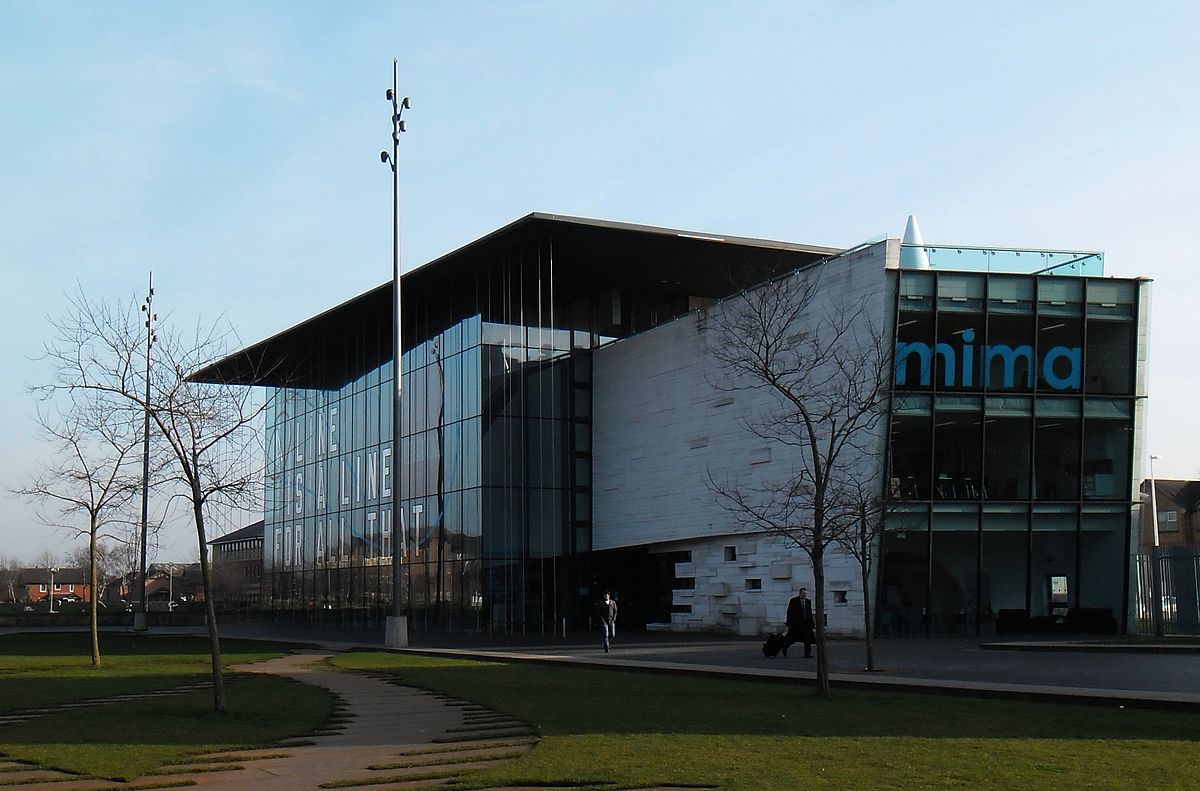
Middlesbrough Institute of Modern Art (MIMA)
Middlesbrough Institute of Modern Art, part of Teesside University, is moving forward with a civic agenda, to reconnect art with its social function and promote art as a tool for changing the world. With this vision, we see ourselves as a ‘useful’ museum.
We wish to have an influence on society, taking a leading role in addressing current issues within politics, economics and culture. Our programmes encompass urgent themes such as housing, migration, inequality, regeneration and healthcare.
We offer changing exhibitions, collection displays, learning activities, projects, and community-focused initiatives that involve multiple artists and publics. These programmes promote creativity for everyone in ordinary life, through education, activism and making.
We have been developing relationships with constituencies in Middlesbrough and beyond. Our ambition is that these help us shape who we are: a public site, open and accessible, diverse and inclusive, and used by all.
Captain Cook Birthplace Museum
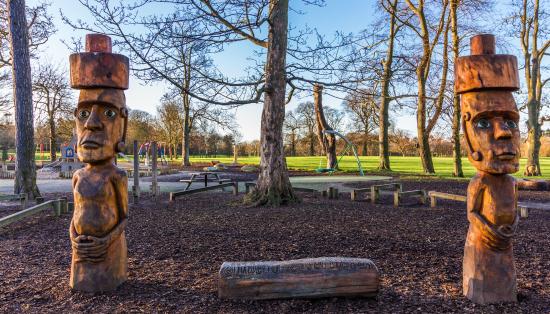
The Captain Cook Birthplace Museum opened on the 28th October 1978 – the 250th anniversary of Cook’s birth. It is housed in a purpose-built building close to the granite urn marking the site of Cook’s birthplace cottage in Stewart Park, Marton, Middlesbrough. The museum tells the story of one of the world’s greatest navigators and mariners through themed display galleries, temporary exhibitions, associated activities and events and a lively education programme.
There is full disabled access throughout and additional facilities such as the Mess Deck(education & activities, meetings & events), Walkabout Gallery (education), Cabinet of Curiosities (archive & research), gift/book shop, and a café.
Since opening it has undergone a series of refurbishments and has won a number of major awards for its displays and services to visitors. Re-developments have been supported by grants from the Heritage Lottery Fund, European Regional Development Fund, One NorthEast, English Partnerships, Northern Electric, British Steel, Teesside TEC and North East Museums, Libraries & Archives Council.
Read More