

York Minster Undercroft, Treasury and Crypts
York Minster is the only cathedral in the country to have an accredited museum, following the development of its Revealing York Minster in the Undercroft attraction in 2013.
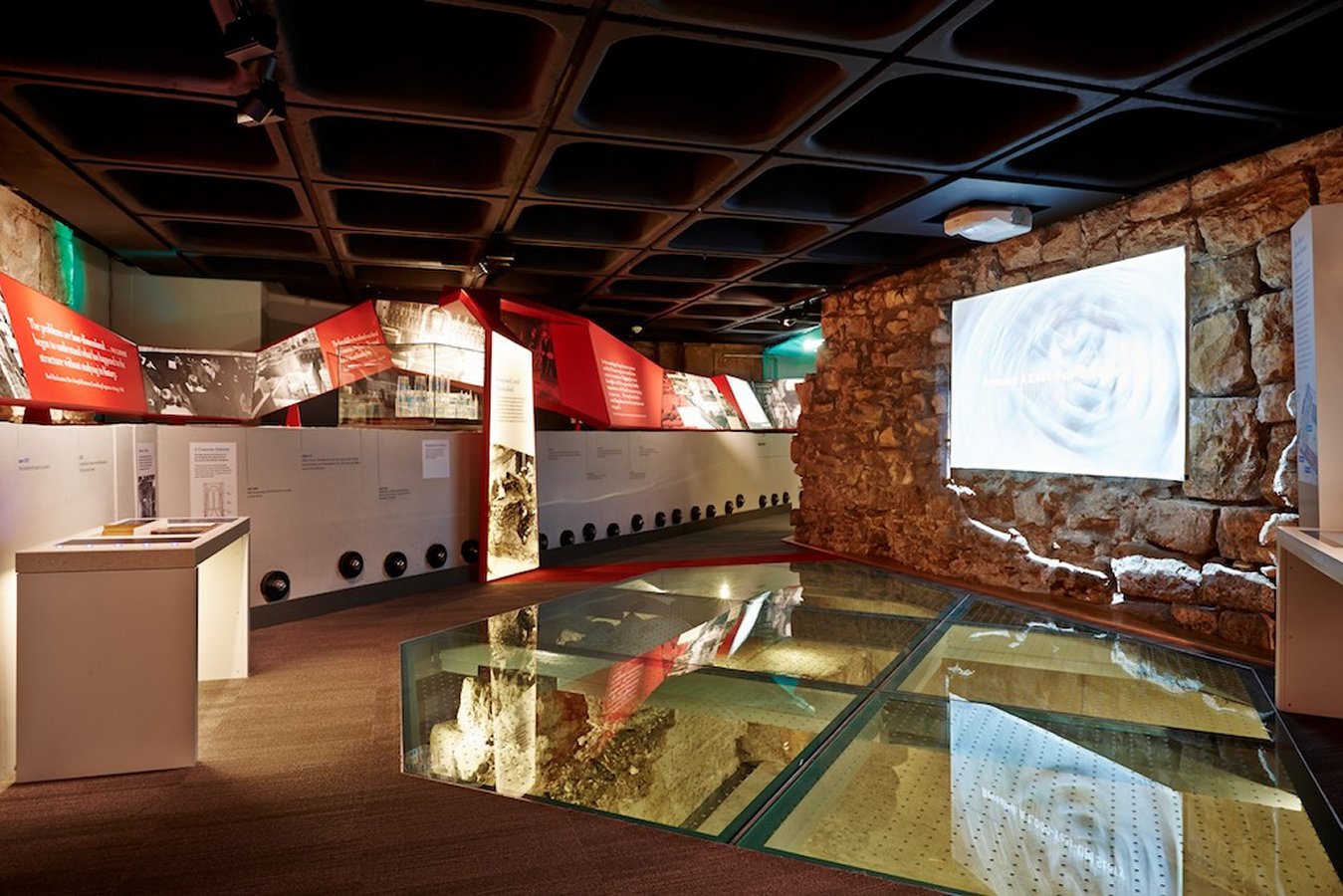
The new state-of-the-art attraction is housed in interactive chambers beneath the Minster and allows visitors to explore 2000 years of history at the cathedral’s site, from its Roman past to its present day custodians.
Visitors can see the remains of Roman barracks from the city of Eboracum through newly installed glass floors, discover York Minster’s Viking connections through the Horn of Ulf, and see artefacts never before on public display, for example the 1,000 year old York Gospels.
Read More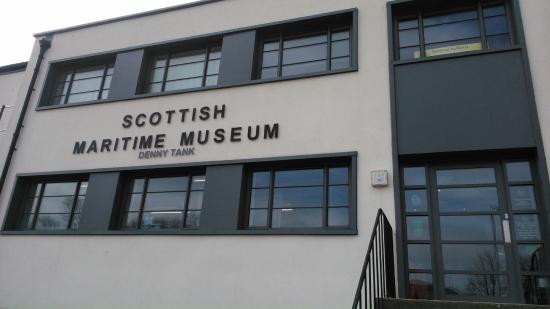
Scottish Maritime Museum – Denny
Visit the Denny Ship Model Experiment Tank, Dumbarton, to discover how William Denny and Brothers’ innovative and experimental approach to shipbuilding made waves in the shipbuilding industry from the 1800s to 1963.
See the world’s first commercial ship model experiment tank, the length of a football pitch, and see the ship model carriage running.
Enter the world of the Victorian ship designer, in William Denny’s drawing office, and find out how to design your own ship. Learn about Denny Brothers, builders of the famous Cutty-Sark and inventors of the Denny helicopter, Denny hovercraft and Denny-Brown stabilisers.
Discover ship models, photographs and historic objects in the Propeller shop. Experience the working environment of the traditional model makers, clay moulders and carpenters in 1882.Test different hull designs in our mini experiment tank with its own wave making machine.
Try your hand at smoothing and carving a real wax hull model.
Browse our well stocked retail area for that perfect memento. We have a wide selection of items ranging from pocket money goods to large maritime models.
Read More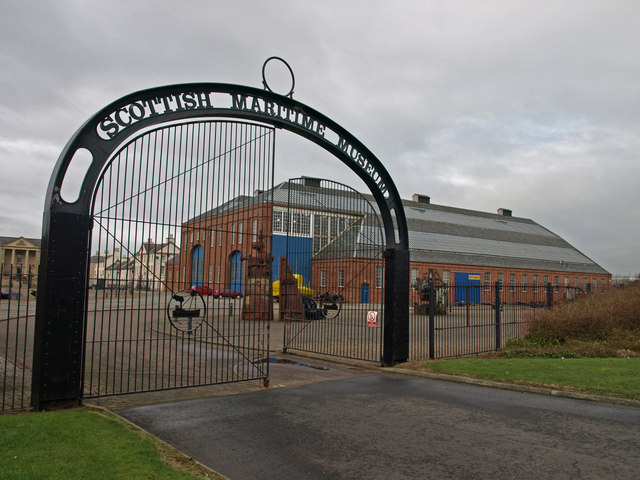
Scottish Maritime Museum
Based in the West of Scotland, with sites in Irvine and Dumbarton, the Scottish Maritime Museum holds an important nationally recognised collection, encompassing a variety of historic vessels, artefacts, fascinating personal items and the largest collection of shipbuilding tools and machinery in the country. The buildings and sites which the Scottish Maritime Museum occupies are themselves part of the heritage collection.
The Scottish Maritime Museum in Irvine is housed within the vast, glass-roofed Victorian Linthouse. This A listed ‘cathedral of engineering’ was formerly the Engine Shop of Alexander Stephen and Sons shipyard in Govan before being salvaged and relocated to Irvine in 1991.
The Scottish Maritime Museum in Dumbarton is located on the site of the former, influential and innovative William Denny Shipyard and features the world’s first commercial ship testing facility, the Denny Ship Model Experiment Tank.
Read More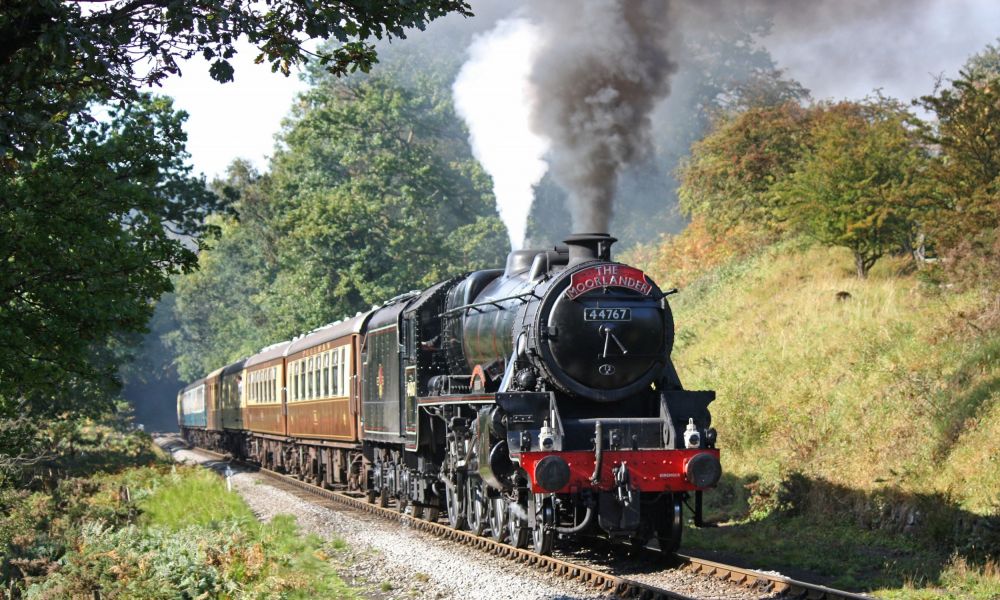
North Yorkshire Moors Railway
In June 1967 a small group of local people formed the North Yorkshire Moors Railway Preservation Society. Its members were convinced that operating the line between Grosmont and Pickering could be viable if sufficient voluntary help was forthcoming. From one person in 1972 the numbers have grown with over 550 volunteers.
Today the North York Moors Historical Railway Trust is a not-for profit charitable organisation run as part of the local community. Day to day operation is carried out by volunteers with railway operations and business experience. With a core team of paid staff together with approximately 100 full time staff and 50 seasonal staff staff, the charity operates the train services and works steadily to improve the quality of the infrastructure, the railway vehicles and experience to our visitors travelling on the railway.
Every visitor that travels on the railway helps preserve one of the world’s greatest railway experiences. The railway operates with the support and commitment of over 550 volunteers.
Read More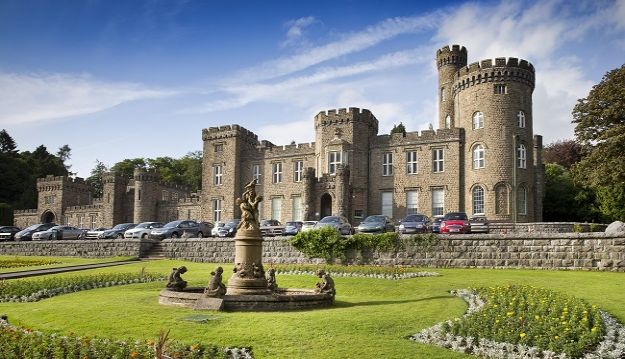
Cyfarthfa Castle Museum and Art Gallery
Built in 1824, Cyfarthfa Castle Museum and Art Gallery – described as the most impressive monument of the Industrial Iron Age in South Wales – was once home to Ironmaster William Crawshay II and his family. It serves as a reminder to the Ironmaster’s dominance over the town and the wealth the iron industry brought to the area.
Now home to a fantastic collection of artefacts spanning 2000 years of Merthyr’s history, the Museum houses the first steam whistle, the first voting ballot box and dresses by Laura Ashley and Julien McDonald.
At the castle you can admire the extensive fine and decorative art collections including Swansea, Nantgarw and Wedgwood porcelain and art by Penry Williams – the Welsh Turner, and George Frederick Harris. Stroll through the atmospheric social and industrial history galleries which chart the rise of this once great ironmaking town and learn about Richard Trevithick’s Penydarren Locomotive of 1804, the first locomotive to pull a load along rails. Or discover the roots of the Labour movement, from the Merthyr Rising of 1831, and the martyrdom of Dic Penderyn, to the first Labour MP – Keir Hardie.
Read More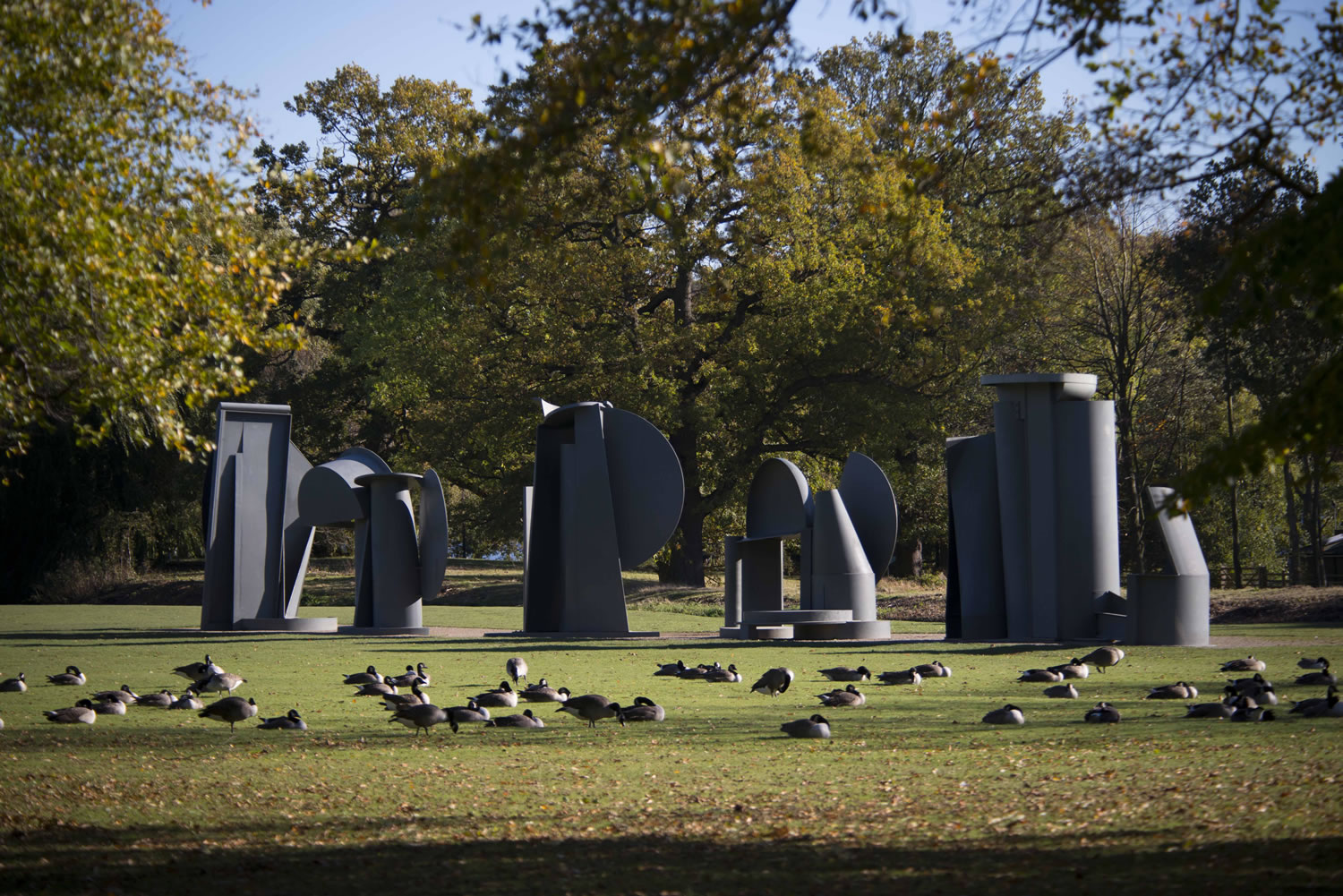
Yorkshire Sculpture Park
500 acres of fields, hills, woodland, lakes and formal gardens combine to create a beautiful landscape and stunning setting for Yorkshire Sculpture Park. But this landscape is not entirely natural. In fact it has been altered a lot in the last few hundred years, mainly for the families that have lived here since the land was listed as ‘waste’ in the Domesday Book.
Over this time many buildings have been built on site and many taken down. The landscape has been carefully designed and meticulously managed to look ‘natural’. Many of the top architects of their day have been involved in creating mansions, lodges, glass houses and follies here, including John Carr, Jeffry Wyatt (later Sir Jeffry Wyatville), William Atkinson and George Basevi Jnr. Landscape designers and gardeners, such as Richard Woods and Robert Marnock, have also had a lot of influence on what we see here today.
A number of characters stand out in the history of the Bretton Estate as being of particular interest. In the 16th century Sir Thomas Wentworth had a beautiful bed and furniture designed for Henry VIII in case he ever visited Bretton. In 1720 Sir William Wentworth built the Palladian mansion that forms the centre of today’s Bretton Hall. Sir William’s son, Sir Thomas Wentworth, created a lot of the parks and gardens around his father’s mansion, including having the River Dearne dammed and the lakes dug out. He is said to have been quite eccentric and often entertained guests on and around his lakes with firework displays, mock naval battles and plenty of alcohol. His illegitimate daughter, Diana Beaumont, more than doubled the size of the mansion in the early 19th century and had many glass houses and conservatories built, including what became known as the ‘Far Famed Dome Conservatory’, considered to be the largest of its kind in the world. Diana was a very domineering woman who fell out with almost everybody that she met, including her son Thomas Wentworth Beaumont who, on inheriting the estate, auctioned off everything that reminded him of his mother.
Read More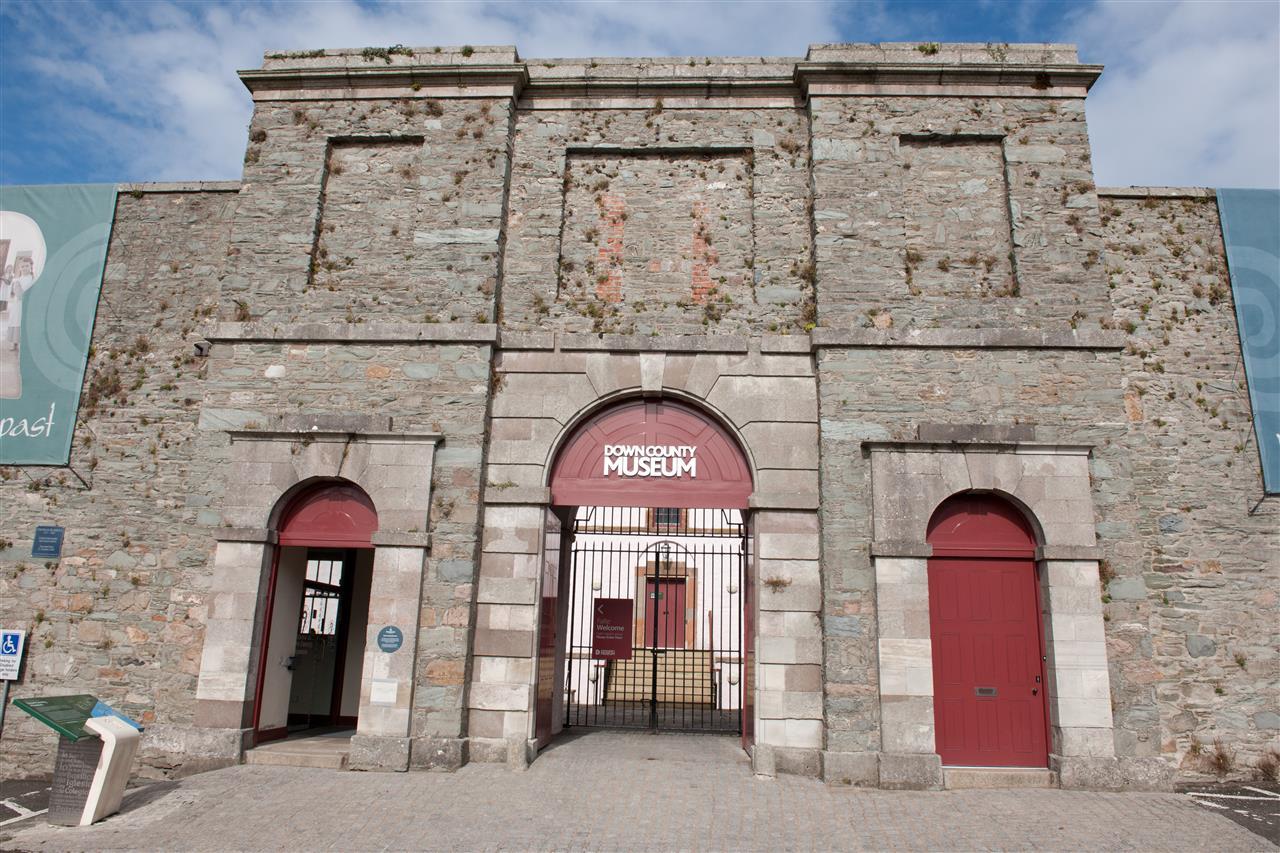
Down County Museum
Downpatrick Gaol was opened in 1796 and until its closure in 1830 housed many thousands of prisoners. In addition to incarcerating many people for very minor offences, the gaol held 1798 rebels captured after the battles of Saintfield and Ballynahinch and the United Irishman, Thomas Russell, executed for his role in the abortive rebellion of 1803. The gaol was also a convict gaol and many hundreds of transportees were imprisoned here prior to their journey to the convict colonies of New South Wales. You can find details of some of the prisoners on the Museum website. Now visitors to the site can see the conditions in which the prisoners were kept, visit restored cells complete with displays on individual prisoners, and stroll through the gaol courtyards which today are likely to be the scene of lively events and re-enactments at weekends and seasonal festivals.
The Museum’s permanent exhibitions include ‘Down Through Time’ in the Governor’s Residence, which displays over 1,100 objects on the diverse history of the County from 9,000 years ago, newly opened displays on the Downpatrick High Cross, farming and fishing in the County and the story of the Gaol’s prisoners.
A programme of temporary exhibitions includes displays of art, crafts, social history, political history and archaeology of the region, drawn from the museum’s own collections and on loan from other organisations.
The Museum’s Cathedral View Tearoom provides coffee, teas, snacks and lunches, and has a panoramic view of the County Down landscape, including Down Cathedral, the River Quoile, Inch Abbey and the Mound of Down fort.
Read More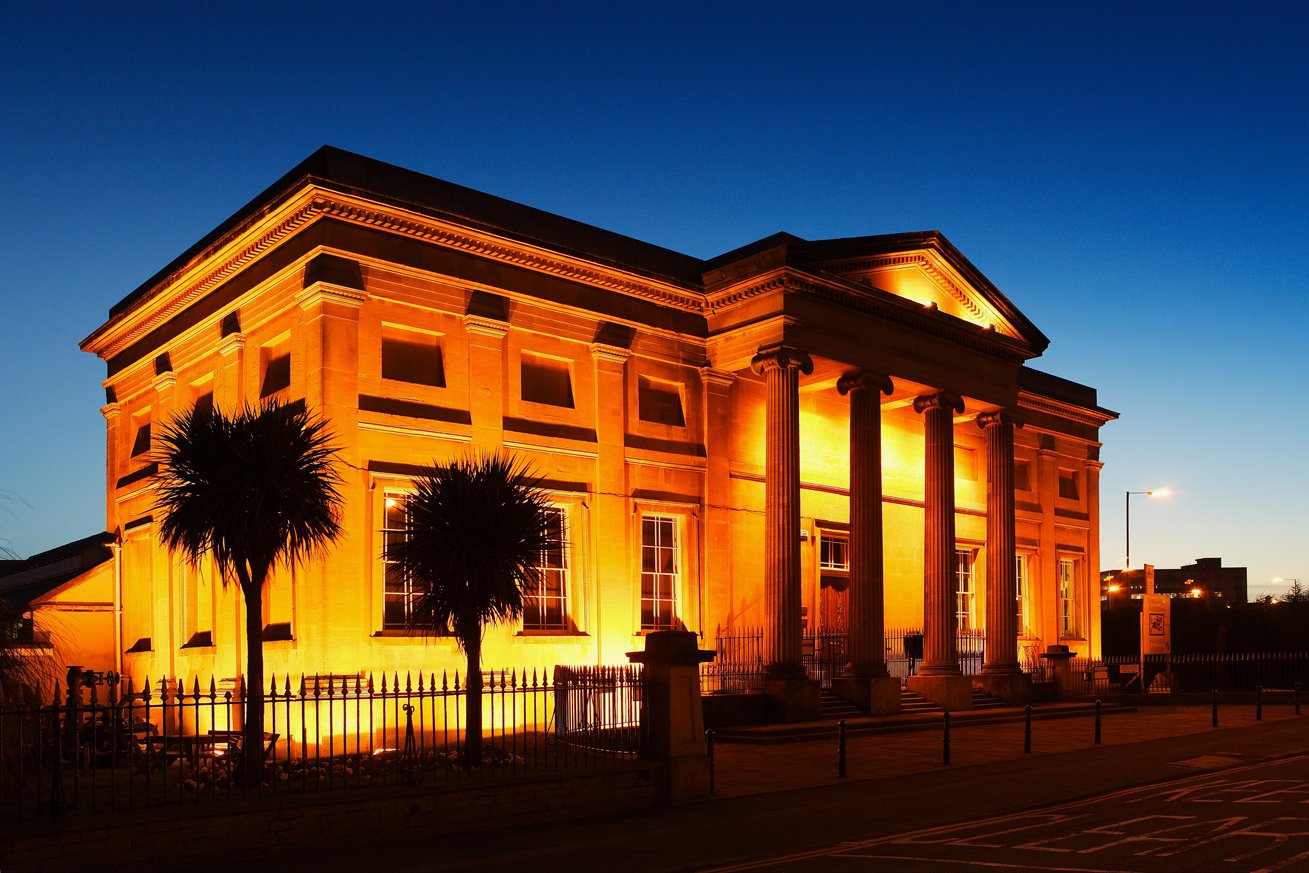
Swansea Museum
Swansea Museum is a real treasure house of the ordinary and the extraordinary from Swansea past and present, and is a focus for the future of the city and its people, as well as providing a visitor experience that we hope you find enjoyable. You are able to visit Swansea Museum at four locations – the Museum itself on Oystermouth Road, the Tram shed in Dylan Thomas Square in the Marina, the Museum Stores in Landore and the floating exhibits in the dock by the Tram shed.
Read More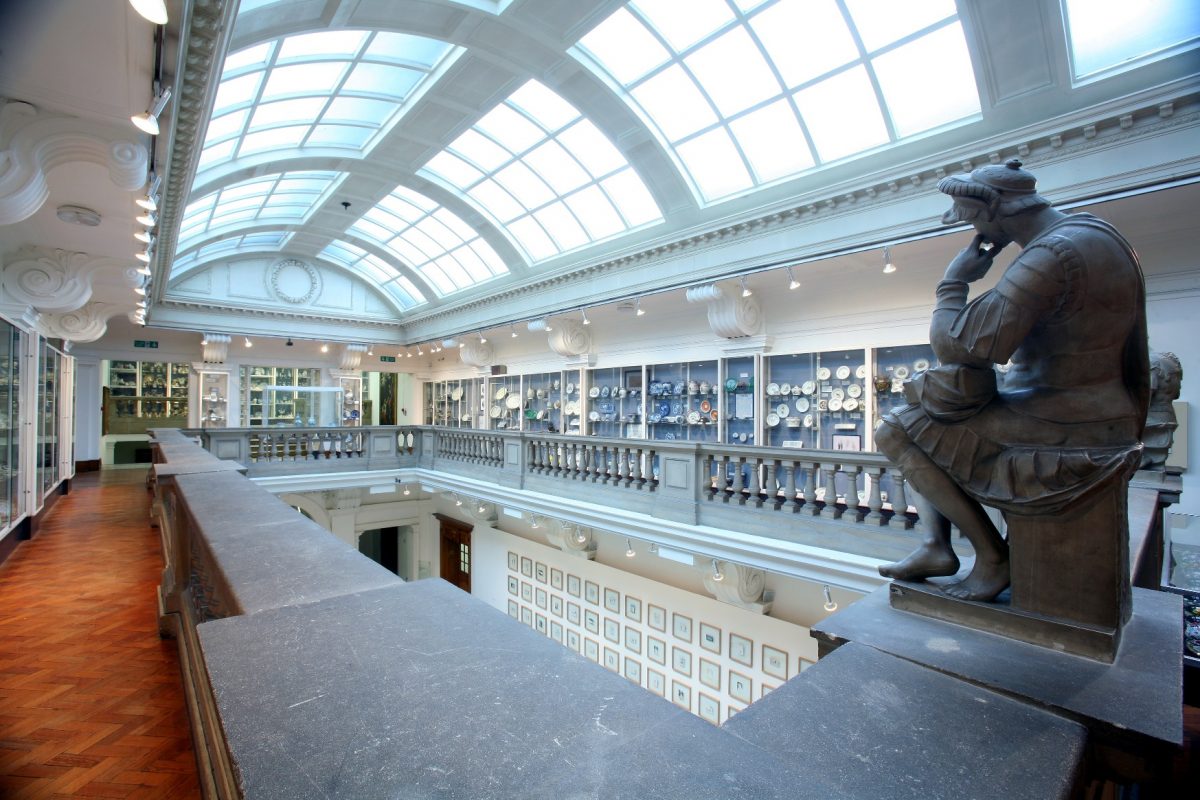
Glynn Vivian Art Gallery
The creation of the Glynn Vivian Art Gallery was made possible when in 1905 Richard Glynn Vivian offered his collection of paintings, drawings and china to the City with an endowment of £10,000. The donor laid the foundation stone himself in 1909, but it was after his death that the Gallery was formally opened in 1911, with ‘great enthusiasm and gaiety’. The building was designed by Glendinning Moxham in ‘Edwardian baroque’ style. William Grant Murray, director of the Swansea Art School, became the Gallery’s first director; since 1951 the Gallery has had its own Curator.
Richard Glynn Vivian’s collection, like most private collections, was eclectic. By donations – including the Deffett Francis collection of prints and drawings and the K. S. Meager bequest of Swansea china – and by purchases the Gallery’s holdings have become more representative of the range of European art, while remaining rich in the work of local artists.
The Gallery also presents loan exhibitions and events, and has an educational programme.
Read More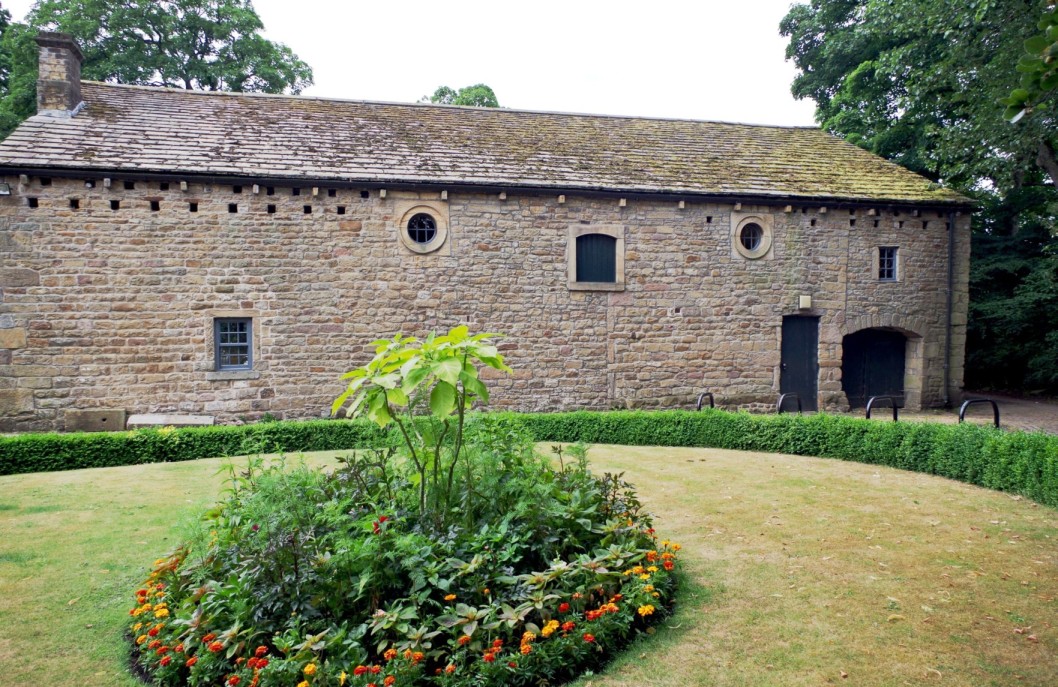
Pendle Heritage Centre
Visit the Heritage Centre to enjoy Pendle Hill and the Forest of Bowland Area of Outstanding Natural Beauty. You will find a Tea Room overlooking a restored Eighteenth Century Walled Garden – always a lovely place to relax with a home-cooked lunch, whatever the weather. The Pendle Art Gallery has jewellery, silk scarves, ceramics and prints by local artists and the Parlour Shop is a great place to find that perfect gift, book or greeting card. The centre also has a Museum on Pendle life,focusing on life in the 1600s, the Pendle Witches, George Fox and the Quakers and the Bannister family.
Read More