

Yorkshire Air Museum & Allied Air Forces Memorial
The Allied Air Forces Memorial and Yorkshire Air Museum is a registered charity (No. 516766). It receives no state or local government aid and is a not-for-profit business.
It is a fully registered museum (No. 66) under the Museum Accreditation scheme established by the Museums, Libraries and Archives Council (part of the Department of Culture Media & Sport), who operates strict guidelines about how artefacts are conserved and kept as part of our nation’s heritage.
The Museum is a living memorial to all allied air forces personnel particularly those during the Second World War, and especially the tens of thousands of young people who gave their lives in that conflict. We aim to be relevant to present day generations by explaining, in a realistic way, what life was like on a typical wartime bomber station, as well as displaying the history of aviation.
Yorkshire has a particular place in aviation, both historically and present day. From Sir George Cayley, the world renowned Father of Aeronautics, to present day aircraft manufacturerers. We are justly proud of the region’s heritage, and throughout the site you can explore aspects of design and technology dating from the 1850s right up to the present day.
All of these make The Yorkshire Air Museum an exciting attraction. But it is the reaction of our visitors, who love the ambience and unhurried atmosphere whether it is in our restaurant or shop, our restoration workshops or our displays which make it such an excellent day out.
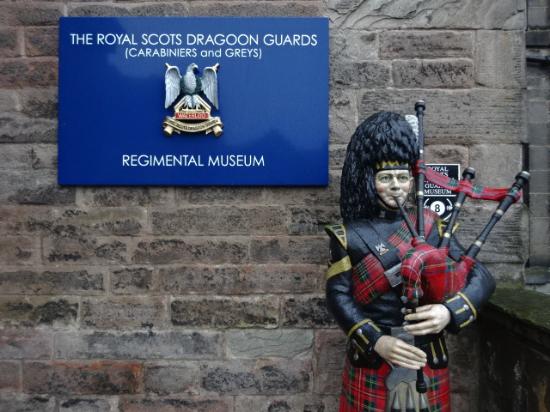
Read MoreRegimental Museum of the Royal Scots Dragoon Guards
The Regimental Museum interprets and displays over 300 years’ history of the only Scottish cavalry regiment in the British regular Army.
The museum exhibits a wide range of objects including weapons, uniforms, medals and paintings. These have been assembled to portray the story of the antecedent regiments that formed or were associated with The Royal Scots Dragoon Guards:
– 3rd Dragoons Guards (Prince of Wales’s Own)
– 6th Dragoon Guards (The Carabiniers)
– 3rd Carabiniers (Prince of Wales’s Dragoon Guards)
– The Royal Scots Greys (2nd Dragoons)
– 25th Dragoons
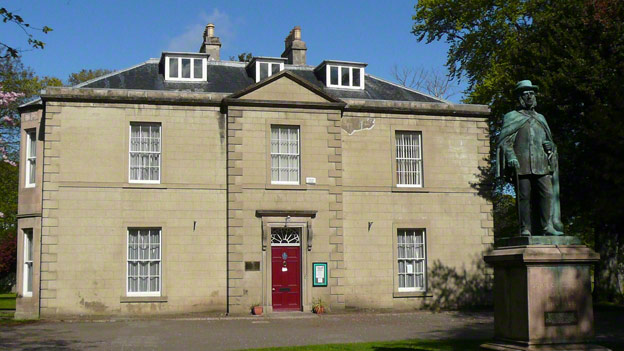
Nairn Museum
Situated in Viewfield House, Nairn Museum offers visitors and locals alike a fascinating insight into the life and times of the town and surrounding area over the centuries. The wide range of permanent displays featuring various aspects of Nairn’s history are well laid out and informative and, in addition a huge collection of archive material is available for study. Each year there is also a special programme of visiting exhibitions.
The Museum particularly welcomes children, providing a range of pick-up-and-touch exhibits and a safe play area.
Disabled facilities – wheelchair and stair lift available.
Nairn Museum is staffed by Volunteers. It is the hard work of these Volunteers both front of house and behind the scenes that allows the Museum to remain open.
Read More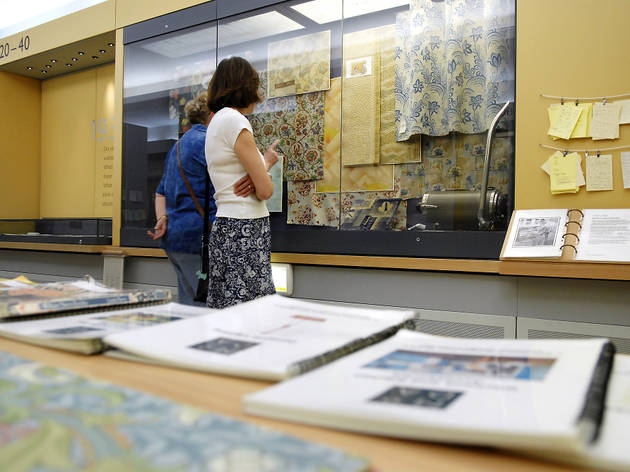
Museum of Domestic Design and Architecture
MoDA is part of Middlesex University. We are an accessible research collection and we welcome students, researchers and members of the public by appointment.
Our mission is to preserve and hold in trust for society our internationally important collections relating to British domestic design and architecture 1870-1960. MoDA is committed to exploring the collections with our audiences, co-creating knowledge and understanding and using the collections to inspire creativity. We support and challenge audiences to learn with and from the collections, to demonstrate their learning in varied ways, and to feed that knowledge back into a shared knowledge base.
Read More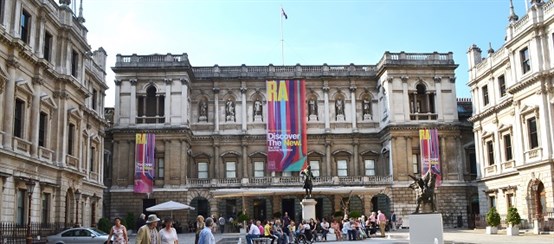
The Society of Antiquaries of London – Burlington House
The Society was founded in 1707 and today our 3,000 Fellows include many distinguished archaeologists and art and architectural historians holding positions of responsibility across the cultural heritage. The Fellowship is international in its reach and its interests are inclusive of all aspects of the material past.
As a registered charity (207237), the Society’s principal objectives are to foster public understanding of that heritage, to support research and communicate the results and to engage in the formulation of public policy on the care of our historic environment and cultural property.
We support those charitable objectives on a daily basis through our Library and Museum collections (at Burlington House and at Kelmscott Manor), through our conservation and research grant awards, our programme of events (lectures and seminars), communications such as publications, our website and our e-newsletter.
The Society of Antiquaries receives no direct support from public funds.
Read More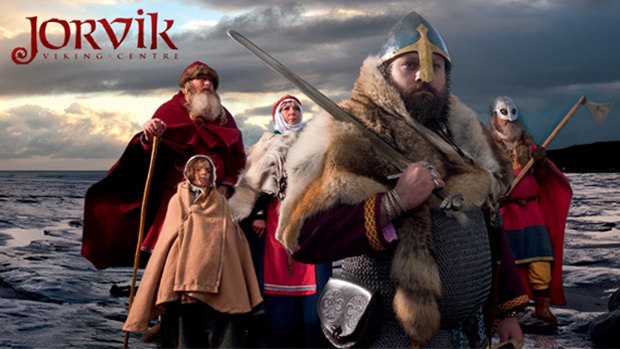
Jorvik Viking Centre
The world famous JORVIK Viking Centre is a ‘must-see’ for visitors to the city of York and is one of the most popular visitor attractions in the UK, welcoming over 18 million people in the past 30 years.
Read More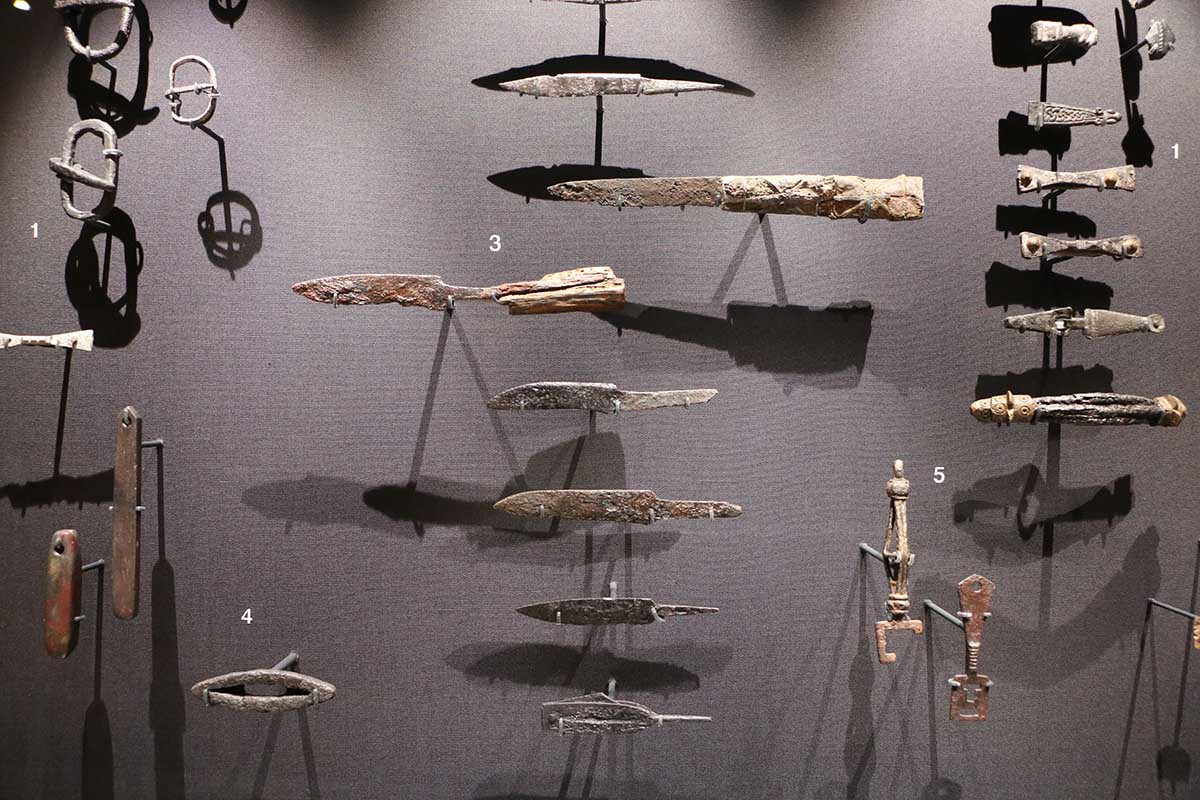
Dig
The One Show’s Dan Snow
DIG is a hands-on archaeological adventure giving kids the chance to become trainee ‘diggers’ and discover the most exciting artefacts from 2000 years of York’s history!
With four special in-door excavation pits, all based on real-life digs in the city and filled with replica Roman, Viking, medieval and Victorian finds, children can grab a trowel and explore how people lived in these times.
Read More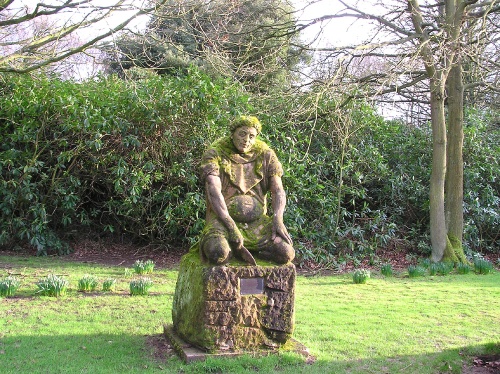
Norton Priory Museum and Gardens
Norton Priory is the most excavated monastic site in Europe. Its museum opened in August 2016 following a major HLF funded redevelopment project and displays thousands of objects from Tudor shoes to the incredible medieval statue of St Christopher. Visitors can explore the 12th century undercroft building and priory ruins, or venture further into the surrounding woodland to discover secret summer houses and stream glades. The beautiful 2.5 acre Georgian walled garden is a hidden gem with fruit trees, herb garden and rose walk. Home to the National Collection of Quince, it is surrounded by a pear orchard, wildflower meadow and woodland. There is always something new to enjoy with trails and hands-on activities.
Please note that the Walled Garden is closed from November through March.
Access
Most of the site is wheelchair friendly although the ruins are difficult to navigate and the paths in the Walled Garden are not paved. There is blue badge parking in the museum carpark and limited spaces at the Walled Garden in front of the gardener’s cottage and entrance.
The Brooke café at the museum is open during the same hours as the museum and serves hot meals and a full range of sandwiches, soups, home-made cake, teas and coffees. It also serves the famous Norton Priory brewery ale and Norton Priory ice-cream.
The tea rooms at the Walled Garden are open from 11am until 4pm everyday between April through October and serves teas, coffees and home-made cakes.
Read More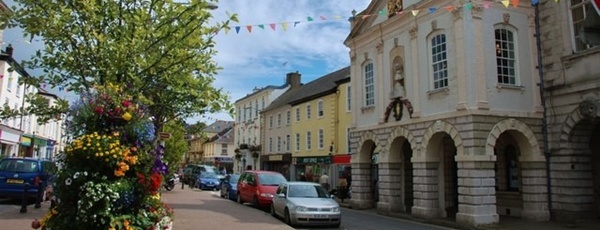
South Molton and District Museum
South Molton and District Museum is located on the ground floor of the handsome Guildhall, completed in 1743 and situated on the south side of the town square. The Museum is managed by South Molton Town Council and volunteers, and engages with the local community to show the social history of the town and its evolution through the centuries.
Read More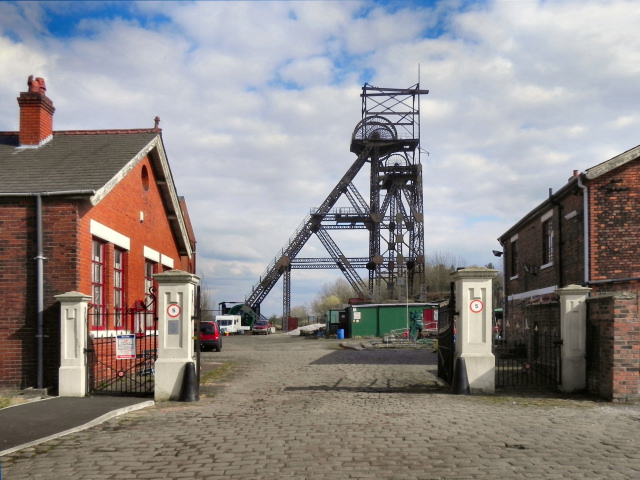
Astley Green Colliery Museum
Situated on the edge of Chat Moss, in an area once full of collieries, lies the picturesque village of Astley Green. In the heart of the village stands Astley Green Colliery Museum which, but for the foresight of Lancashire County Council and several leading figures within the community, would have suffered the same fate as the other collieries in the area, total demolition. It was the uniqueness of the 3,300 hp twin tandem compound steam winding engine that brought the demolition to a halt. As the result of the intervention, the museum houses Lancashire’s only surviving headgear and engine house, both of which now have scheduled monument and listed building status.
The museum occupies some fifteen acres of the Astley Green Colliery site. To the south lies the Bridgewater Canal and Astley Moss, an important mossland site. The low-lying landscape ensures that the museum’s 98ft high lattice steel headgear can be seen for many miles, a fitting memorial to days now past.
Apart from the steam winding engine and headgear the museum houses many exhibits, not least of which is the collection of 28 colliery locomotives, the largest collection of its type in the United Kingdom.
The colliery began its life in 1908 to exploit coal reserves in the south Lancashire Coalfield. Had it not been for the increasing demand for coal, at that time, the project would not have been viable. The coal seams at Astley Green are very deep and overlain by 100 feet of wet and unstable ground. These factors made the sinking of the shaft a very expensive proposition. The novelty of many of the requirements tested the ingenuity of the engineers during the construction, so much so that a paper, on the sinking of the shaft, was presented to the Institute of Mining Engineers. The colliery had a lifespan of only 62 years, finally closing its gates in 1970. Because of its short and relatively recent history, a considerable number of written and photographic records have survived. This has enabled a detailed study to be made of the construction of the colliery and its subsequent operation.
The museum is now run and maintained, on behalf of the community, by the Red Rose Steam Society Limited, a registered charity based in Lancashire.
Read More