

Elgin Museum
The Museum’s collections are housed in a Category A listed building at the east end of Elgin High Street, Moray, in the North East of Scotland. Here you can see objects from all over the world, with a special focus on Moray, and from all periods of history and prehistory from before the dinosaurs to the present day. Please explore our website to find out more about the Museum: changing exhibitions, school visits, family events, lectures, resources for heritage and collections research, as well as how to hire our beautiful building as a venue for weddings and other special events.
Read More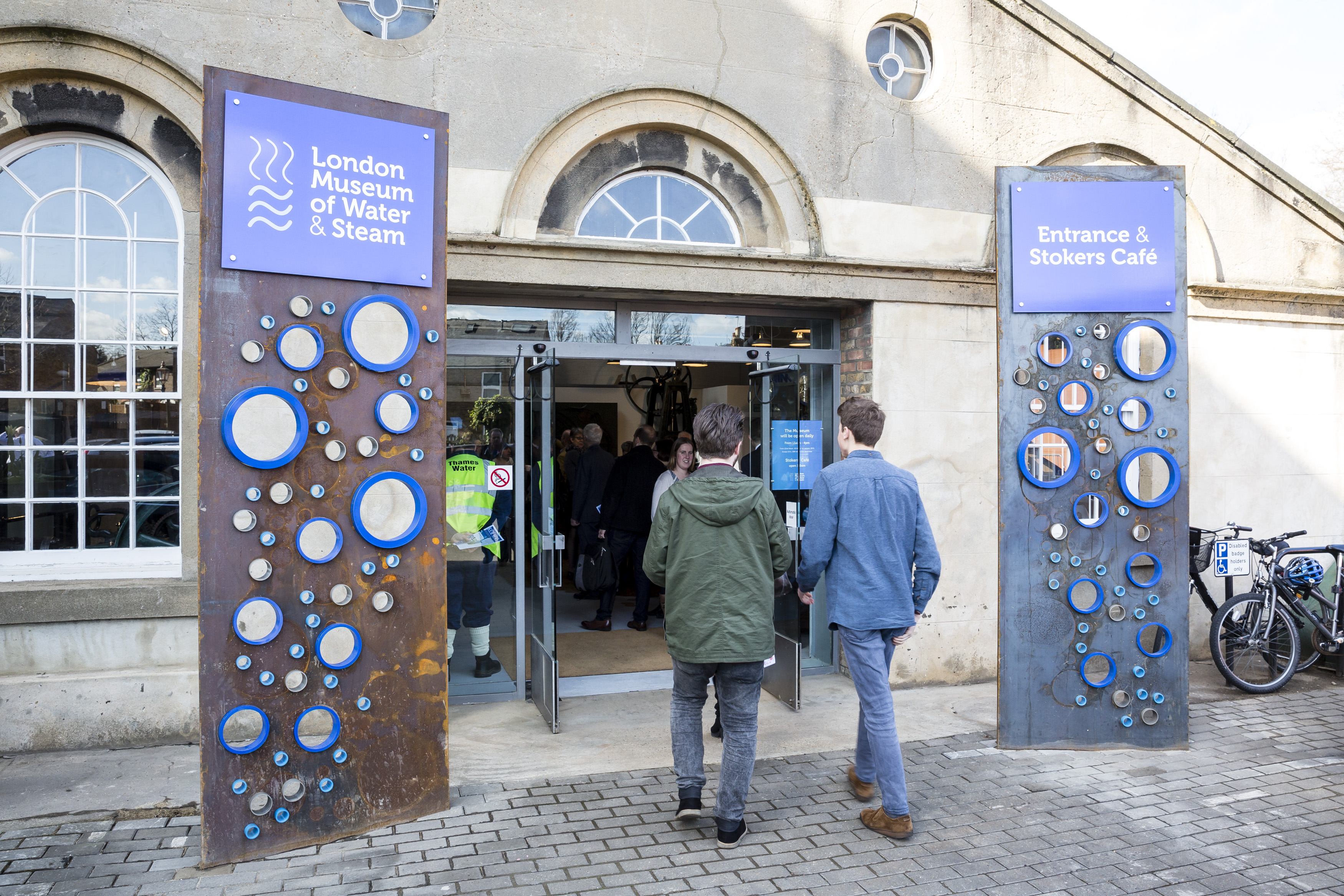
The London Museum of Water and Steam
Kew Bridge Works started supplying water in 1838, the Maudslay and Boulton & Watt engine house being built at this time. The engine supplied by Maudslay, Sons & Field then delivered the water to the company’s customers at Paddington.In 1840 and 1842 the two Boulton & Watt engines, which had worked at Chelsea, were re-erected at Kew Works and supplied water to Ealing as well as Paddington.The reservoir and filter beds were constructed between 1844 and 1846 and two small ‘grasshopper’ engines, sited where the Bull engine is now, transferred water from the Thames into the reservoir. At the same time the GJWWC built the ‘New Engine House’ to house the 90″ engine. The original lattice standpipe tower was built at this time. Its purpose was to ensure even pressure in the pumping station and to protect the engines against a catastrophic water mains failure. Once these works were completed the Maudslay and Boulton & Watt engines were converted to the more efficient ‘Cornish Cycle’.
Continued concern about the quality of the water taken from the tidal section of the Thames resulted in the Metropolitan Water Act of 1852 which obliged the water companies to take their water from above Teddington Weir, the tidal limit of the Thames. The GJWWC company built new intake and treatment works at Hampton and the water was then pumped to Kew Works which became an intermediate pumping and treatment station. Increased demand was met by the installation of the 100″ engine in 1871. In the meantime the current brick standpipe tower was built to replace the original tower that had been damaged by frost. At this point the works were largely as they are now.
Jewish Museum, London
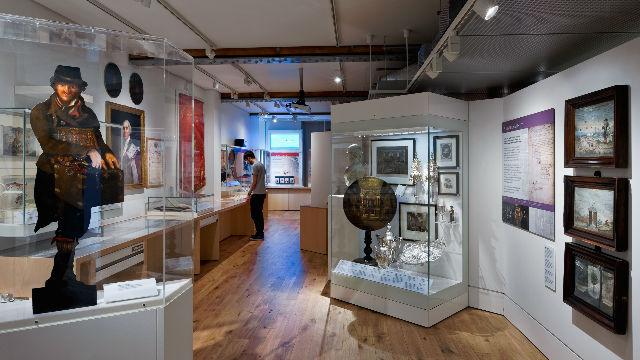
Our Mission is to surprise, delight and engage all people, irrespective of background or faith, in the history, identity and culture of Jews in Britain: by inspiring discovery, provoking questions and encouraging understanding.
Our Vision is of a world where cultural diversity and the contribution of minority communities are explored, valued and celebrated, for the enrichment of society as a whole.
Read More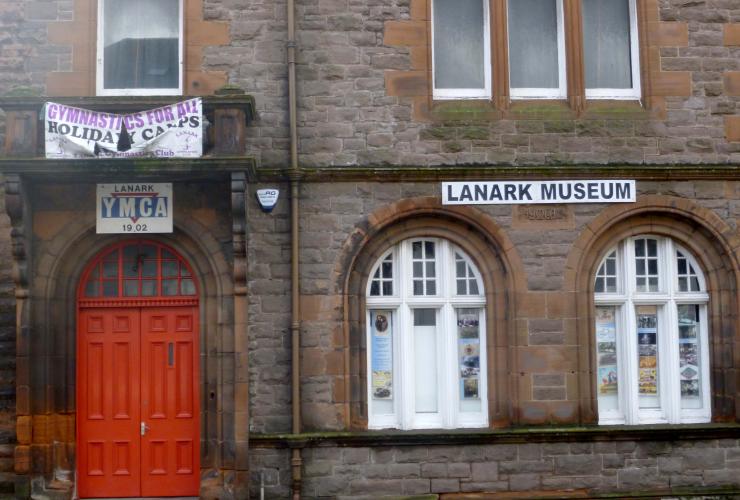
The Royal Burgh of Lanark Museum
The Royal Burgh of Lanark Museum
houses a collection of items which illustrate the ancient and varied history of the town. Lanark is one of Scotland’s oldest burghs, and from the time of King William the Lion was a favoured hunting area of the Kings of Scotland. It also has associations with two of Scotland’s greatest heroes: William Wallace and King Robert the Bruce.
Scarborough Art Gallery
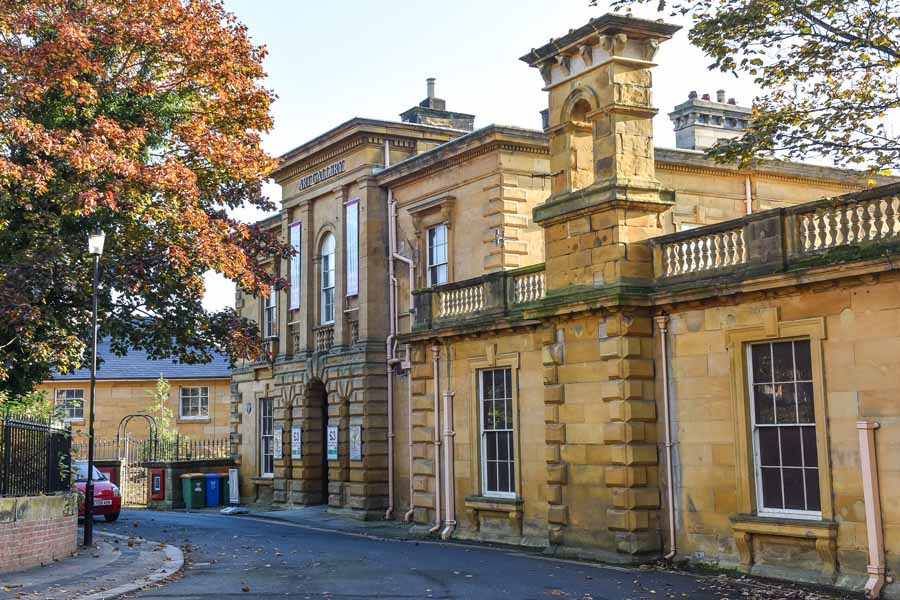
Scarborough Art Gallery houses the borough’s permanent collection of fine art, which has grown through gifts, bequests and purchases since its beginnings in 1947, reflecting the vibrant mix of the community and its cultural heritage.
The gallery, originally called Crescent House, was built as a family home in the late 1840s by local solicitor John Uppleby and has had a fascinating history. This Grade II* Italianate villa is one of the finest buildings in Scarborough, set in the beautiful Crescent Gardens in the centre of town.
As well as the permanent collection, the Art Gallery hosts regular temporary exhibitions, giving us an opportunity to show some of the fine collections we hold, and to display work by local, national and internationally renowned artists, as well as interesting touring work from around the UK. Our Community Gallery showcases the talents of local groups, with an eclectic range of exhibitions throughout the year.
Don’t miss the important group of seascapes and views of Scarborough by John Atkinson Grimshaw, works by Frederic Lord Leighton and Frank Brangwyn, and prints and drawings by many other notable British artists.
The Art Gallery is also home to the permanent archive of the Printmakers Council and regularly displays a selection of contemporary print works.
Read More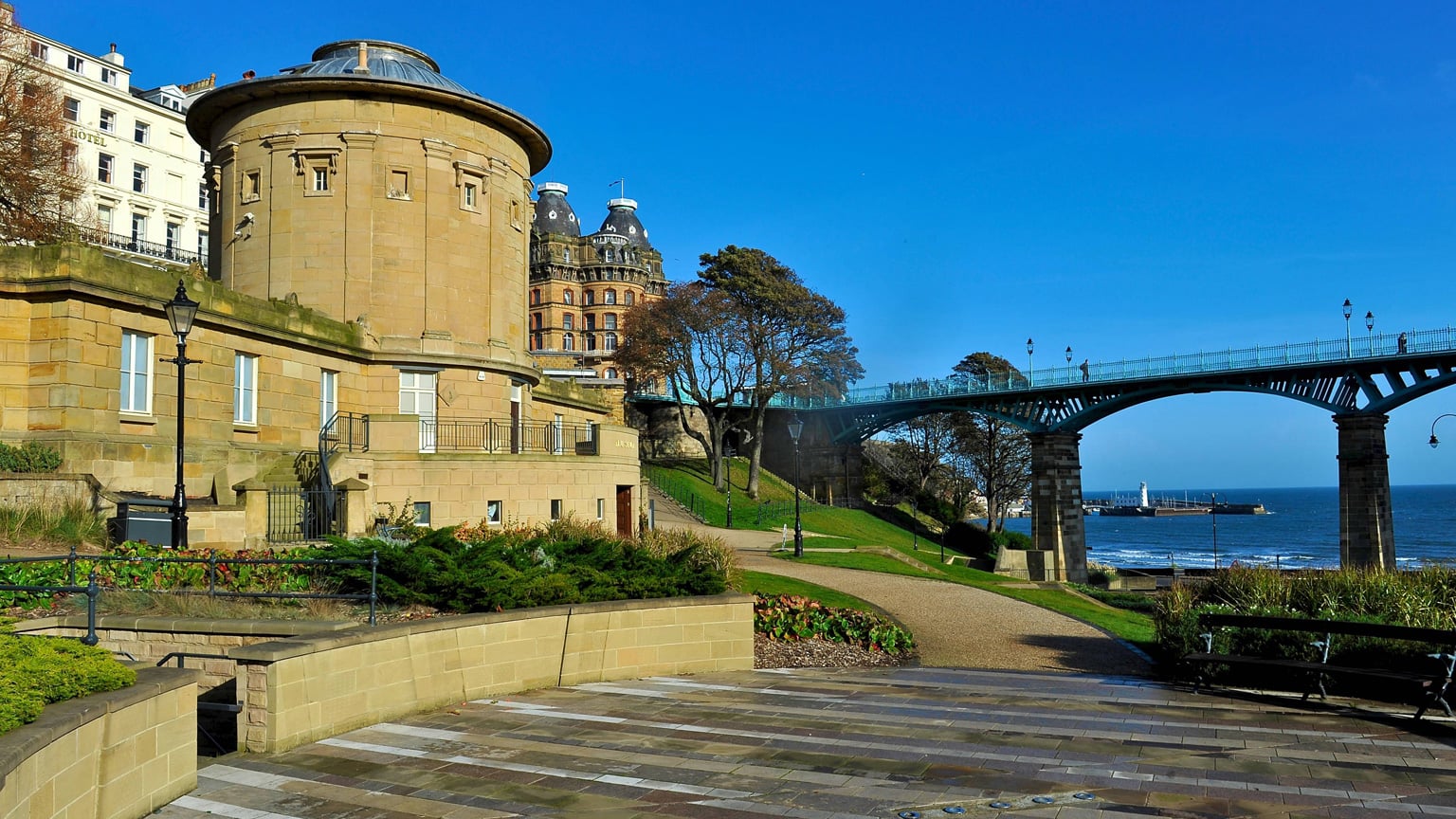
The Rotunda: William Smith Museum of Geology
Rotunda, the William Smith Museums of Geology
The Rotunda is the 2nd oldest purpose-built museum in Britain. Built to the specifications of William Smith – the father of English geology in 1828, the museum has been a focal point for geology and local history enthusiasts ever since.
Following major investments and a two-year re-fit, the museum now encompasses all the interactive technologies demanded of a modern museum. At the same time in the central Rotunda Gallery you will find a remarkable space that explains the Scarborough that existed in Smith’s days as well as some of the characters that populated the town at the time.
The first floor Shell Gallery focuses on research and 21st century developments whilst the Dinosaur Coast Gallery offers bright, colourful and family friendly hands on experience of our coastline and its treasures.
After 4,000 years Gristhorpe Man finally breaks his silence. On Monday 2 August Dr Alan Ogden of the Division of Archaeological Sciences at Bradford University will install a facial reconstruction of the famous Gristhorpe Man Bronze Age skeleton found at Gristhorpe in 1834 that actually talks. This is a first for forensic archaeology and will be available only to visitors to the Rotunda Museum in Scarborough.
See website for further details!
Read More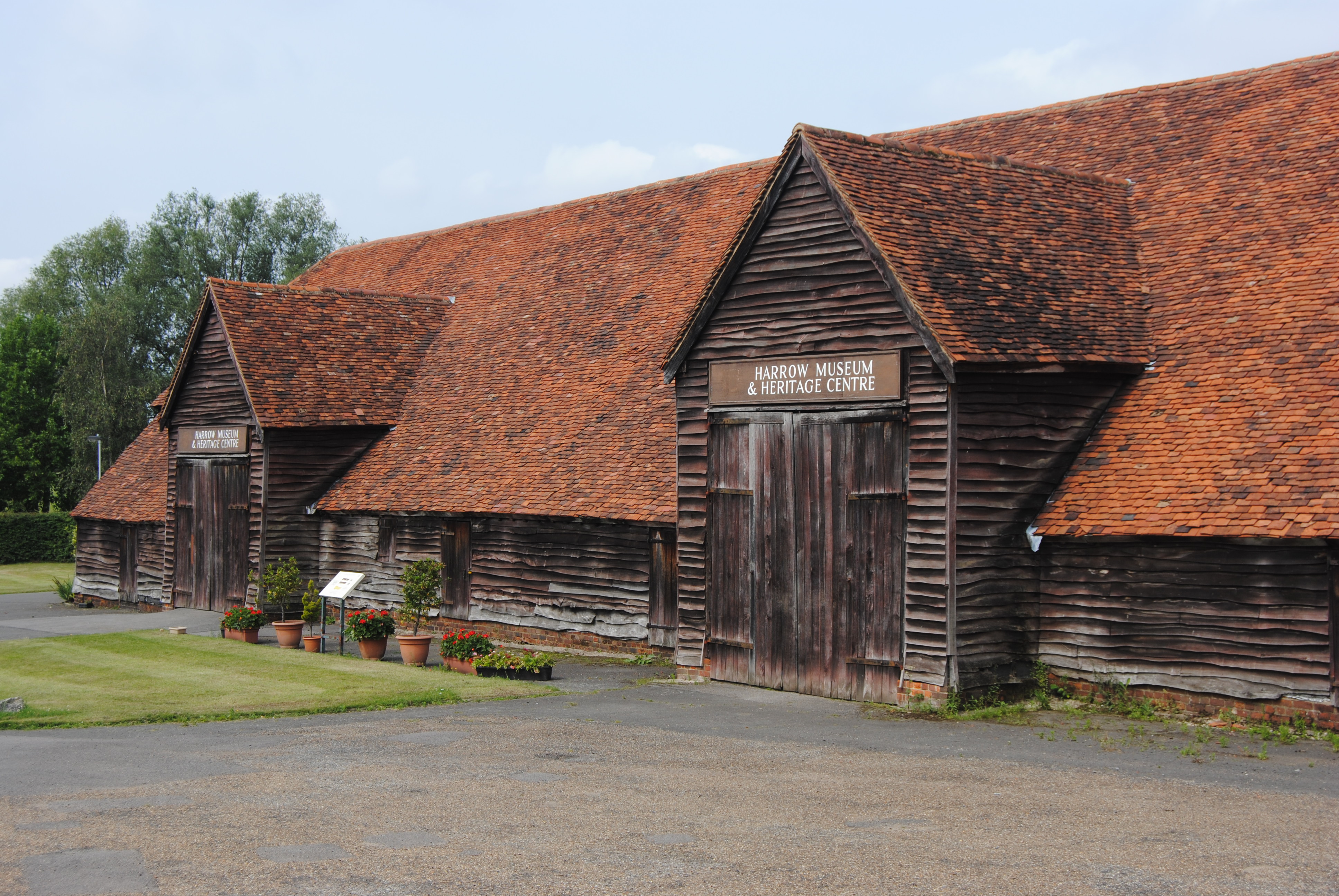
Harrow Museum and Heritage Centre
The Museum is now open in The Granary, whilst refurbishment work continues on the Great Barn.
The Great Barn will re-open, where it will offer a beautiful venue for weddings and functions, as well as being accessible at certain times as a museum building for the public.
The four remarkable buildings which make up Harrow Museum are all located in the beautiful grounds of Headstone Manor, records of which date back to 825AD. All the buildings are listed by English Heritage, and the site as a whole is a Scheduled Ancient Monument.
Read More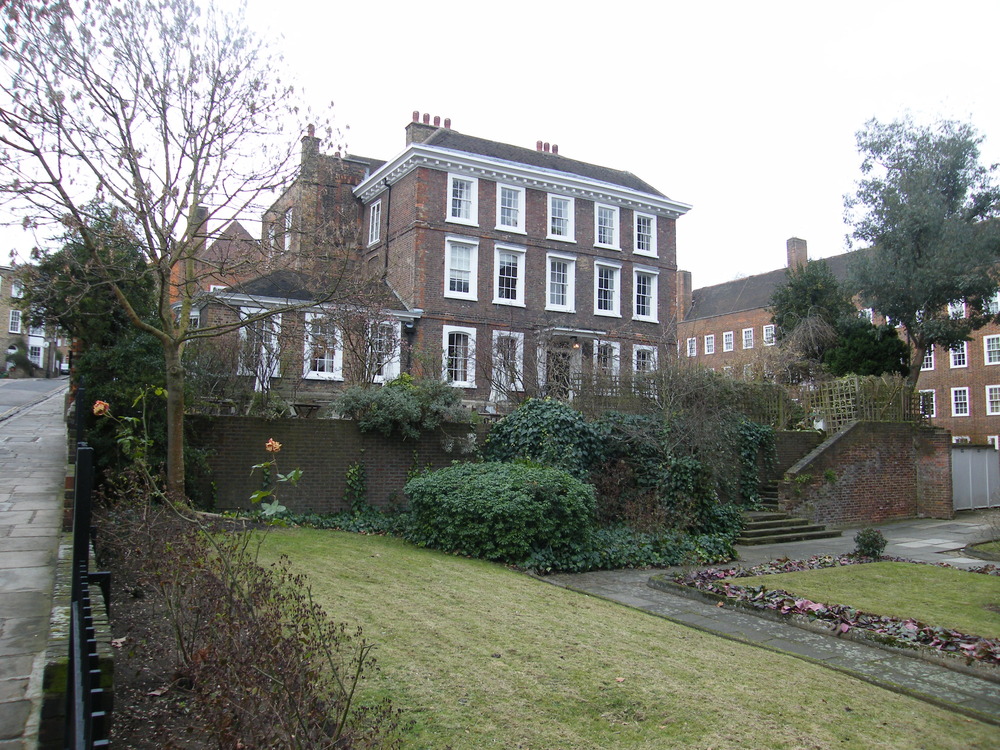
Burgh House and Hampstead Museum
Hampstead Museum has something for everyone.
Interested in local history or looking for a day out with family or friends? Find out what the Museum has to offer.
Guards Museum
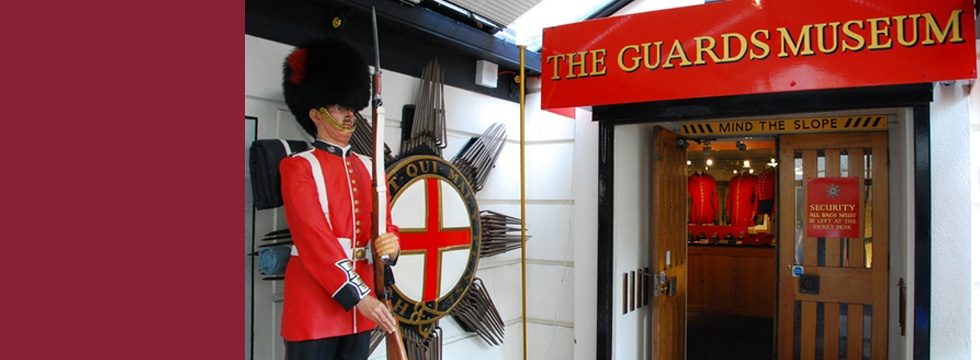
Welcome to the official website of The Guards Museum in London. The museum contains a wealth of information and artefacts relating to the five regiments of Foot Guards namely Grenadier, Coldstream, Scots, Irish and Welsh Guards.
Along with the two regiments of Household Cavalry they make up Her Majesty’s Household Division and enjoy the treasured privilege of guarding The Sovereign and the Royal Palaces.
We hope you enjoy your visit to the site and that you find the information to be useful for discovering all you need to know about the museum.
If you find you need more information then please let us know. We are keen to make the museum as accessible as possible to everyone, so do get in touch if you feel we can provide a better service through this website.
Work on the website is on-going and more information will be added or updated when it become available.
Read More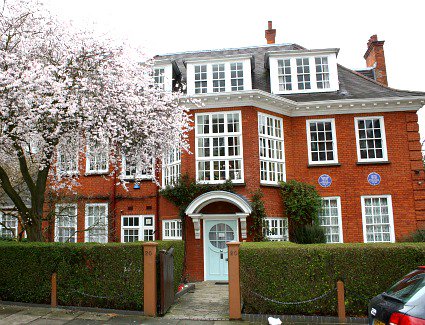
Freud Museum
The Freud Museum, at 20 Maresfield Gardens in Hampstead, was the home of Sigmund Freud and his family when they escaped Austria following the Nazi annexation in 1938. It remained the family home until Anna Freud, the youngest daughter, died in 1982. The centrepiece of the museum is Freud’s study, preserved just as it was during his lifetime.
It contains Freud’s remarkable collection of antiquities: Egyptian; Greek; Roman and Oriental. Almost 2,000 items fill cabinets and are arranged on every surface. There are rows of ancient figures on the desk where Freud wrote until the early hours of the morning. The walls are lined with shelves containing Freud’s large library.
Read More