

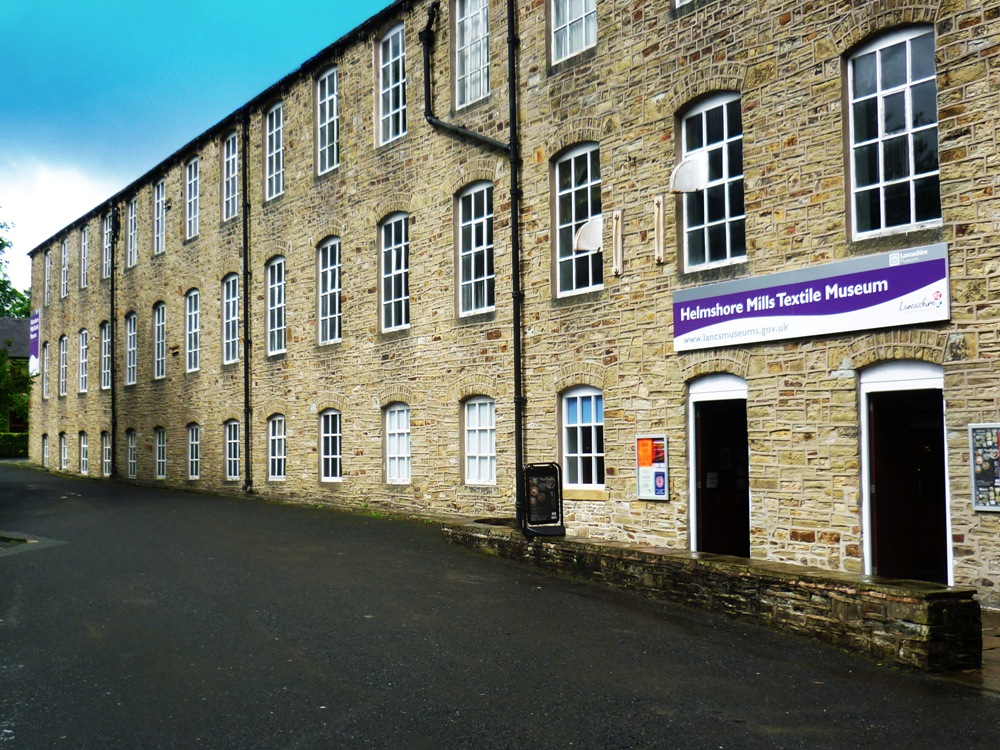
Helmshore Mills Textile Museum (Whitakersʼ Mill)
Helmshore Mills are two mills built on the River Ogden in Helmshore, Lancashire. Higher Mill was built in 1796 for William Turner, and Whitaker’s Mill was built in the 1820s by the Turner family. In their early life they alternated between working wool and cotton. By 1920 they were working shoddy as condensor mule mills; and equipment has been preserved and is still used. The mills closed in 1967 and they were taken over by the Higher Mills Trust, whose trustees included historian and author Chris Aspin and politician Dr Rhodes Boyson, who maintained it as a museum. The mills are said to the most original and best-preserved examples of both cotton spinning and woollen fulling left in the country that are still operational.
Following the withdrawal of its grant from Lancashire County Council, the museum closed to the public on 30 September 2016 for an indefinite period. However, the museum is still open for pre-booked school visits.
Read More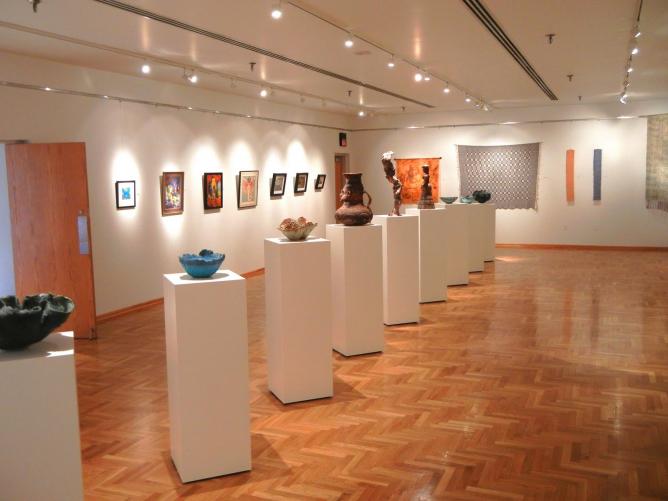
The Grundy Art Gallery
The Grundy Art Gallery was founded in 1911 by the brothers John and Cuthbert Grundy, and has been at the centre of cultural and artistic life in the town for over 100 years. It began with the ambition to show the best art of the day to the people of Blackpool, and this sentiment remains at the heart of what we do today as a leading contemporary art gallery in the North West.
The Grundy aims to inspire audiences through an ambitious and varied year-round exhibitions programme that draws on the unique and invigorating context and heritage of Blackpool, for instance exploring the space between contemporary art, entertainment and popular culture.
Recent exhibitions have featured works by celebrated and critically acclaimed artists including Martin Creed, Brian Griffiths, David Hockney, Pierre Huyghe, Heather Phillipson, Susan Philipsz and Matt Stokes. The gallery has a growing national and international profile and has recently worked with key partners such as LeftCoast in Blackpool, and other institutions such as BALTIC, the British Council and the Hayward Gallery.
The Grundy provides a key space for residents and visitors in which new ideas and ways of imagining the world can be tested and explored, and where resonant encounters can occur between art and audiences. We undertake special programmes tailored for individuals and groups including schoolchildren, young people, families and senior citizens, enabling people of all ages the chance to engage with and discover for themselves the art on display and the imaginations behind them.
Our exhibitions and displays frequently incorporate pieces from our collection, which was started with a bequest by the founding brothers and contains an eclectic range of art and other items from furniture to ceramics, to netsuke ornaments to Victorian oil paintings. Artists include Craigie Aitchison, Ruth Claxton, Martin Creed, Laura Ford, Augustus John, Eric Ravilious and Gilbert and George amongst others.
Grundy is part of Blackpool Council’s Arts Service, which develops and delivers arts projects which engage Blackpool’s residents, communities and visitors in the arts, supports the town’s arts community, placing the arts the core of Blackpool’s unique and important cultural environment.
The gallery is an Accredited Museum and also receives funding from Arts Council England as a National Portfolio Organisation and from the John Ellerman Foundation.
Read More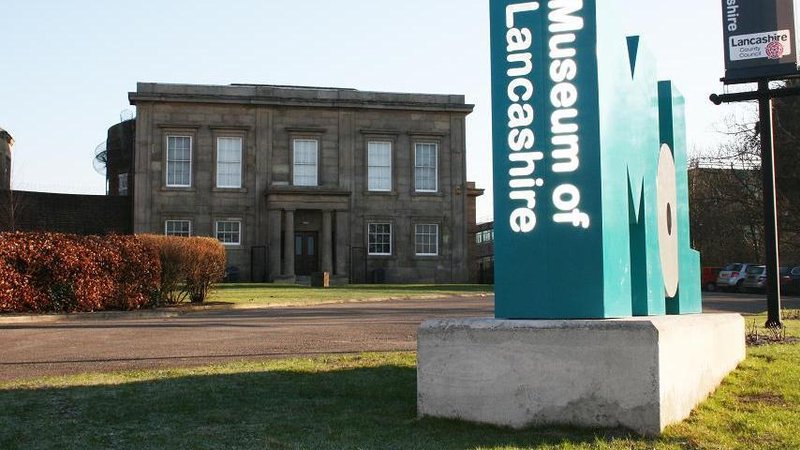
Museum of Lancashire
The Museum of Lancashire is housed in a grade II listed former quarter sessions house (courthouse) in Preston in Lancashire, England. Designed by Thomas Rickman in the Neo-Classical style, building of the courthouse began in 1825. Baines’ 1825 History and Directory of Lancashire comments that, ‘The prison is on a very large scale, but the Court-house, which is inconveniently situated in the centre of the building, is not sufficiently commodious, and at the general session for the county, held by adjournment on 9 September 1824, the sum of ten thousand pounds was voted by magistrates, for the erection of a new court-house and records office, which are to be placed outside the walls of the present gaol’. Hewitson, in his History of Preston states that the building was erected in 1829 and refers to Mr Rickman as the architect. He goes on to add that a new dome was added in 1849 and in 1870, due to the dangerous state of the dome it was replaced by a ceiling light. It is now one of the oldest remaining buildings in Preston. The Museum draws on the collections of Lancashire County Museum Service to provide an overview of Lancashire history and heritage told through objects and stories of Lancashire residents.
Having undergone a refurbishment during 2010/11 the Museum contains a range of family friendly and interactive galleries to tell the Lancashire story including:
Lancashire Through Time exhibits the County’s archeological collections including 4,000-year-old Stone Age axes, Roman artefacts and early industrial items. Lancashire at Play contains highlights including part of the Hylda Baker costume collection and Les Dawson, George Formby and Gracie Fields material. The Lancashire People Gallery focuses on the Lancashire identity and comprises items loaned by members of the public revealing some exceptional hidden histories. Lancashire Law and Order reveals the building’s court house heritage. Responsible for the trials of petty criminals between 1827 and around 1900, the Chairman of the Court, Thomas Batty Addison earned the name of the Terror of the Criminal for his no nonsense approach. This gallery also includes items from the Lancashire Constabulary Police collection, charting the development of the force from 1839 to the present day. Lancashire at Work highlights the range of industries Lancashire has embraced from agriculture to textiles, maritime to engineering trades, not to mention Holland’s pies and Uncle Joe’s mint balls! Lancashire Goes to War is dominated by an impressive and atmospheric World War I trench. It also displays information about the role of women during the war and how we remember our fallen heroes.
Read More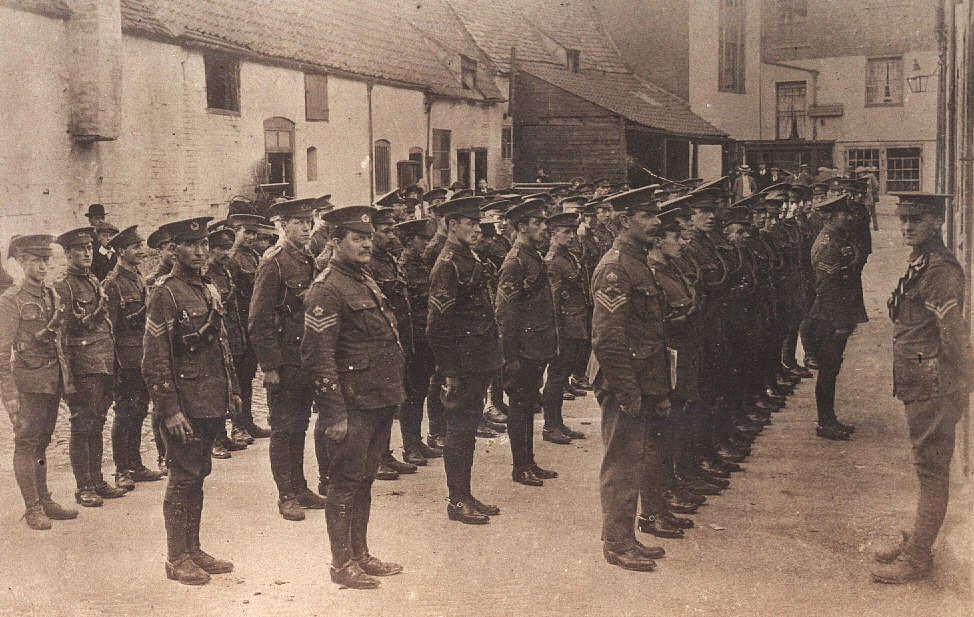
The Duke of Lancasterʼs Own Yeomanry Museum
Re-opened in mid 2011, following a major refurbishment, the Museum of Lancashire contains the museums of two historic regiments. The gallery of the 14th/20th King’s Hussars traces the history of the Regiment from 1715 and includes two Victoria crosses as well as artefacts from the Napoleonic era and India.
The Duke of Lancaster’s Own Yeomanry collection marks its association with the county with exhibits that include items from World War I in the Middle East, Peterloo, and South Africa. Mounted in co- operation with the Duke of Lancaster’s Regiment and Lancashire Fusiliers a new area follows Lancastrians in World War I, and includes a trench scene with many of the devices of trench warfare as well as Imperial War Museum film footage. There is also a display on the Home Front in Lancashire during the Second World War.
Read More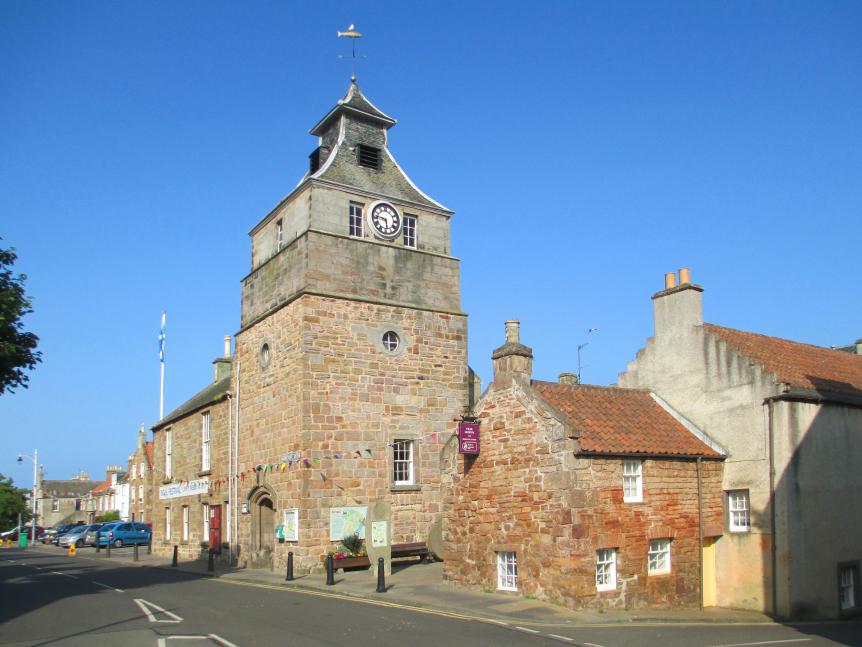
Crail Museum
The Museum provides an insight into the past life of this ancient Royal Burgh, its kirk, seafaring tradition, 229 year-old golf club and airfield history (HMS Jackdaw, Fleet Air Arm Station, HMS Bruce Boys Training School and Joint Services School for Linguists).
Crail has been a prosperous and important trading and fishing port since the 12th century, and its picturesque harbour is one of the most frequent images in Scottish calendars and guides. Today there is still commercial fishing from the harbour for crab and lobster which have a reputation for quality. The Burgh is surrounded by excellent farming land.
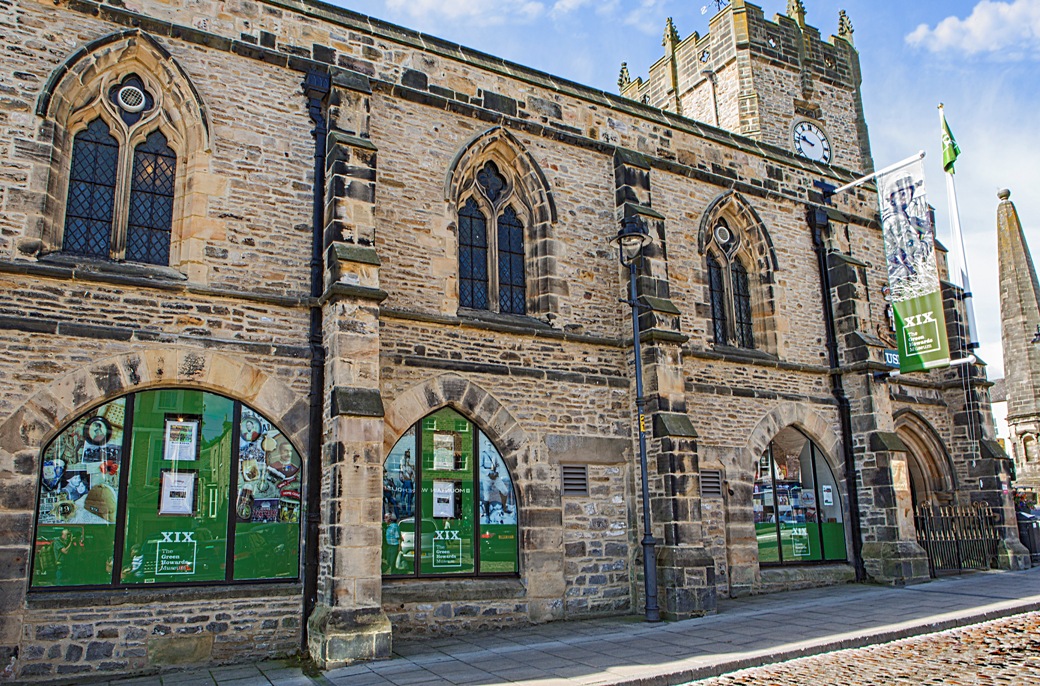
The Green Howards Regimental Museum
The objects in our museum come from many different sources, but the collection itself started through the interests and collections of a few key individuals.
Over time, through diligent collecting, and generous donation, particularly in the years following the First World War, the collection has grown.
The museum itself has always been based in Richmond; starting off with a nomadic life in and around the regimental depot in Gallowgate, before finding a permanent home in the centre of the town.
During 2014, the museum was completely redeveloped, thanks to Heritage Lottery Funding and the generosity of private individuals and charitable trusts.
Read More
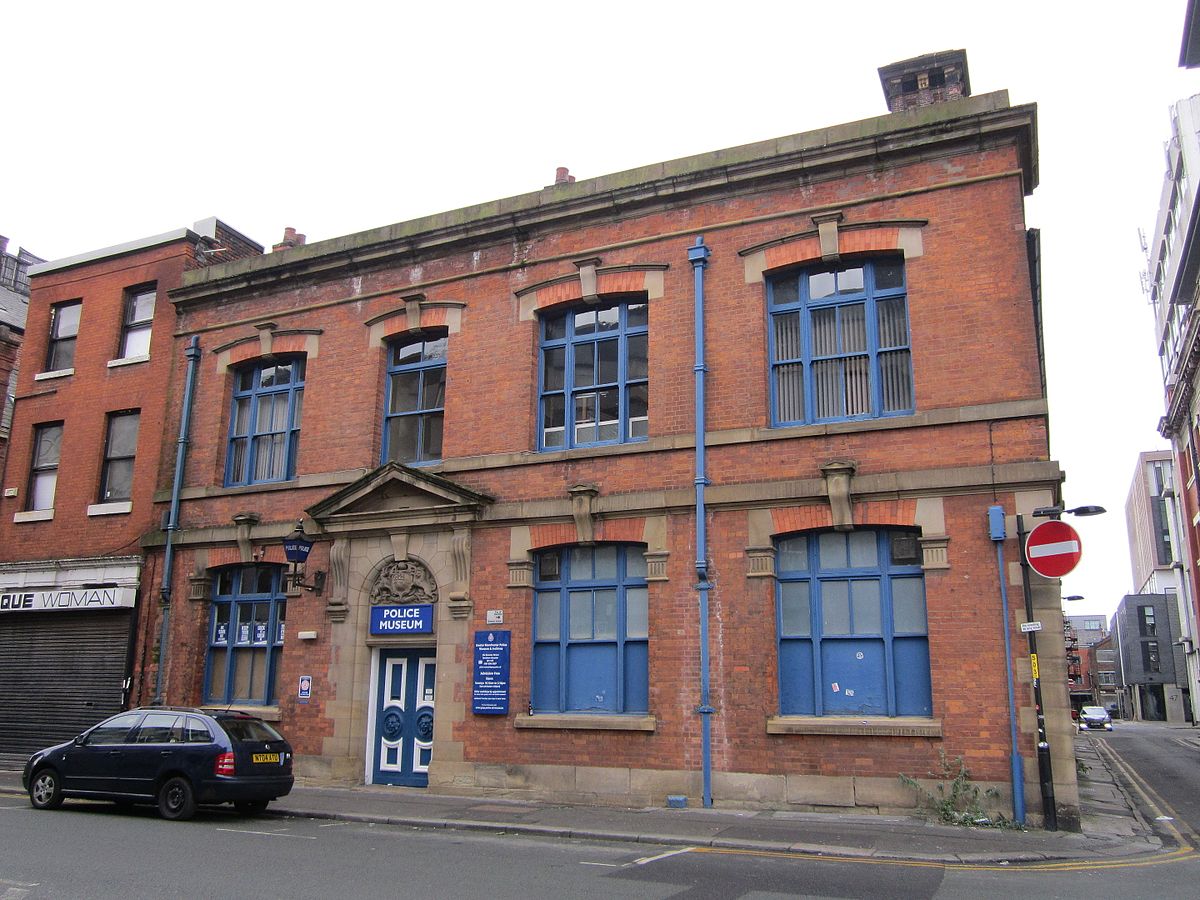
Greater Manchester Police Museum and Archives
The Museum was founded in 1981. Funded by Greater Manchester Police, it not only collects and preserves archive material and objects relating to the history of policing in the Greater Manchester area, but acts as an important resource for community engagement, where visitors can talk to staff and volunteers about policing. GMP Museum holds primary and secondary source information about the history and development Greater Manchester policing. Our archive holdings are a mix of records – both official and personal.
Read More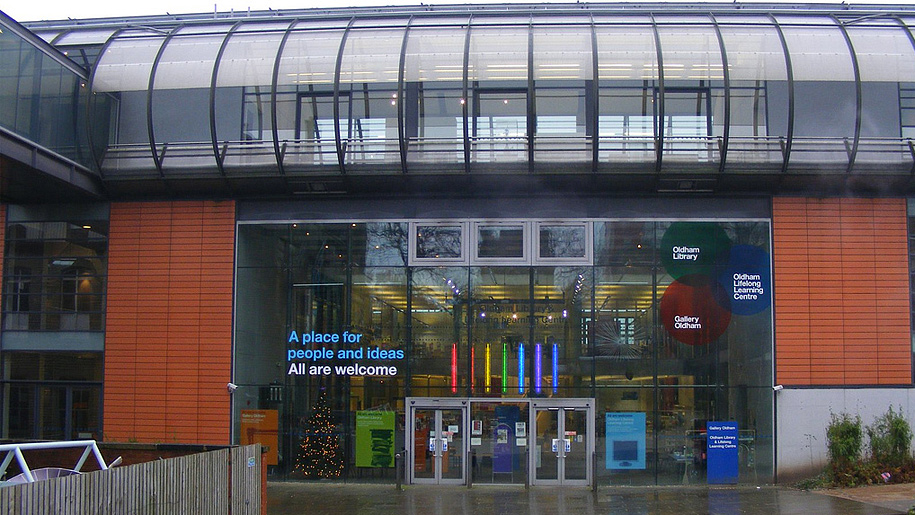
Gallery Oldham
Gallery Oldham provides a wide range of exhibitions and activities targeted at different audiences of all ages within Oldham and the surrounding area.
Current and forthcoming exhibitions feature artworks and items from Oldham’s diverse collections alongside newly commissioned art, international work, touring exhibitions and work produced with local communities.
Talks and tours, art and craft workshops, work with schools and artist residencies are all part of the gallery’s regular activities programme.
Read More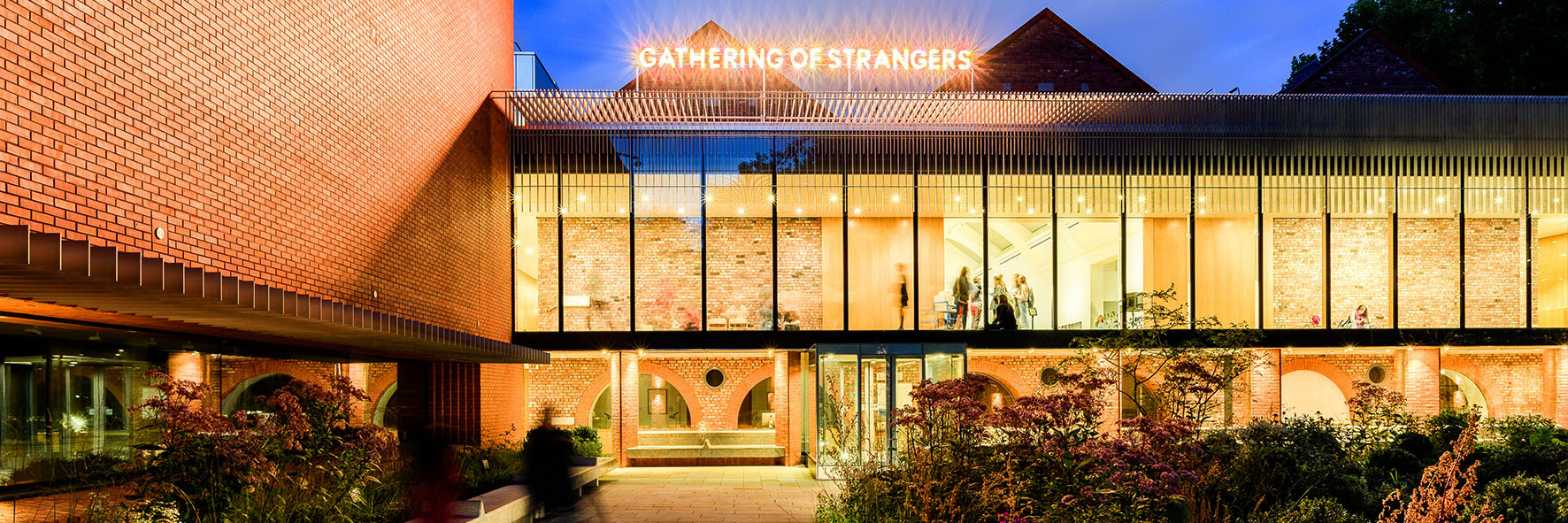
Whitworth Art Gallery
A £15 million development has transformed the gallery, doubling it in size and creating new spaces that embrace the park it calls home.
Yet although the Whitworth has opened a new chapter in its history, the organisation itself has a much broader story to tell.
You’ll be able to find out about that story here, alongside information about our research projects, our wonderful historic collection, the Friends of the Whitworth, the people who work here and much more.
Read More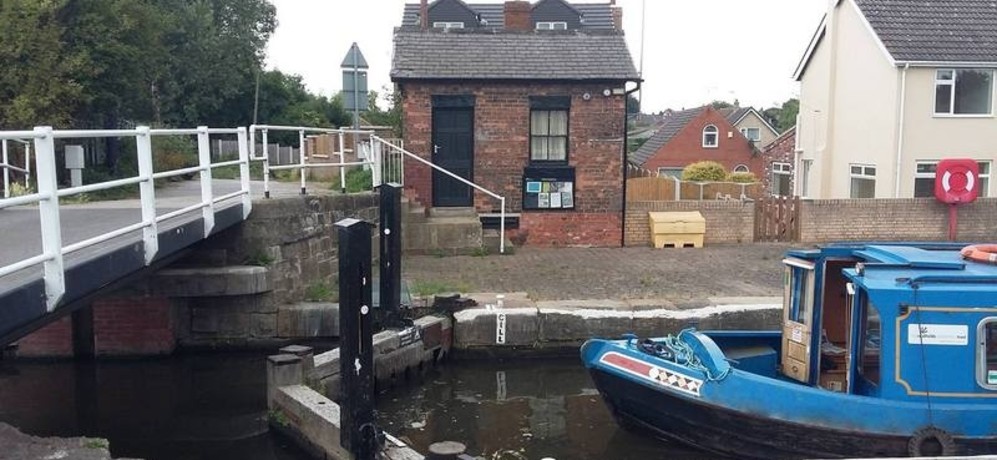
Yorkshire Waterways Museum
The Yorkshire Waterways Museum is a multi-award winning museum in Goole, East Riding of Yorkshire, England.
Its mission is to ‘Use the heritage, arts and environment of the Yorkshire waterways as a resource for learning and regeneration’. The museum also hosts a Tom Pudding hoist which is grade II listed. This allowed little tub boats carrying coal from South Yorkshire to be unloaded at Goole Docks and put into ocean-going vessels.
Read More