

Nene Valley Railway
Nene Valley Railway is the UK’s leading international steam attraction, based at Wansford Station, and covering the stations of Ferry Meadows, Orton Mere, Yarwell Junction, and Peterborough.
As both a living heritage railway, which is tended to by its loyal band of volunteers, and a thriving attraction for the public to enjoy all year round, Nene Valley Railway offers the chance to experience the thrill of riding a steam engine; learn about the railway’s history; and explore the picturesque surroundings of the Nene Valley area
Wansford Station
Wansford station is the headquarters of the Nene Valley Railway. The station brings together three forms of transport in one location, with the River Nene being separated from the railway by the “Old Great North Road”.
Turntable Cafe, Shop and Toilets, disabled and child facilities are also located within the station building, Our Garden railway operates on some running days along with the model railway. The waiting room on platform two is referred to as “The Barnwell Building” due to it having been moved from Barnwell station to the NVR on April 5th 1977. The building was built in 1884 for use by members of the Royal family when visiting Barnwell Manor, home of HRH Duke of Gloucester. The Wansford old station building on platform three was built in 1844/5 for the opening of the line. Built in a Jacobean style it features much ornate stone masonry. The NVR has recently acquired this building and will renovate it for use by the NVR and local community. The signal box was built in 1907 by the London & North Western Railway to replace three smaller boxes. The signal box was originally built with 60 levers and is one of the largest preserved signal boxes in its original location
The picnic area at Wansford is open all year round. Sitting at one of the picnic tables here you can watch the signalman operating the box at Wansford while the trains pass over the river, bridge and viaduct. It’s a great location for taking photographs. Our children’s play area was opened in 2002 with the aid of a Heritage Lottery Fund grant and is available all year round. The playground is located near to the car park entrance.
Read MoreHastings Fishermenʼs Museum
In 1952 local residents were concerned that the historic character and fabric of Hastings Old Town was being lost by demolition and unsympathetic renovations. To secure a future for the Georgian Stables at the top of High Street and to keep a watchful eye on the historic environment the OHPS was formed.
We have two prime aims which are:
To promote the permanent preservation of buildings of beauty or historic interest
and
To foster an appreciation of the history of the town of Hastings and to preserve evidence of that history.
Since our formation the society has played a key role in preserving the Net Shops and Pelham Crescent, securing the Stables for the Stables Theatre Trust and leasing the old Fishermen’s Church and forming Hastings Fishermen’s Museum in Rock-a-Nore Road.
In 2005 we acquired 21 Courthouse Street for our HQ and to develop Hastings History House.
In 1962 we started Old Town Week and we still co-ordinate the programme of events for Hastings Old Town Carnival Week a great community event. We run a full schedule of walks and talks and exhibitions during the week.
We welcome new members who support our aims. please download our membership form and return to the History House.
Read More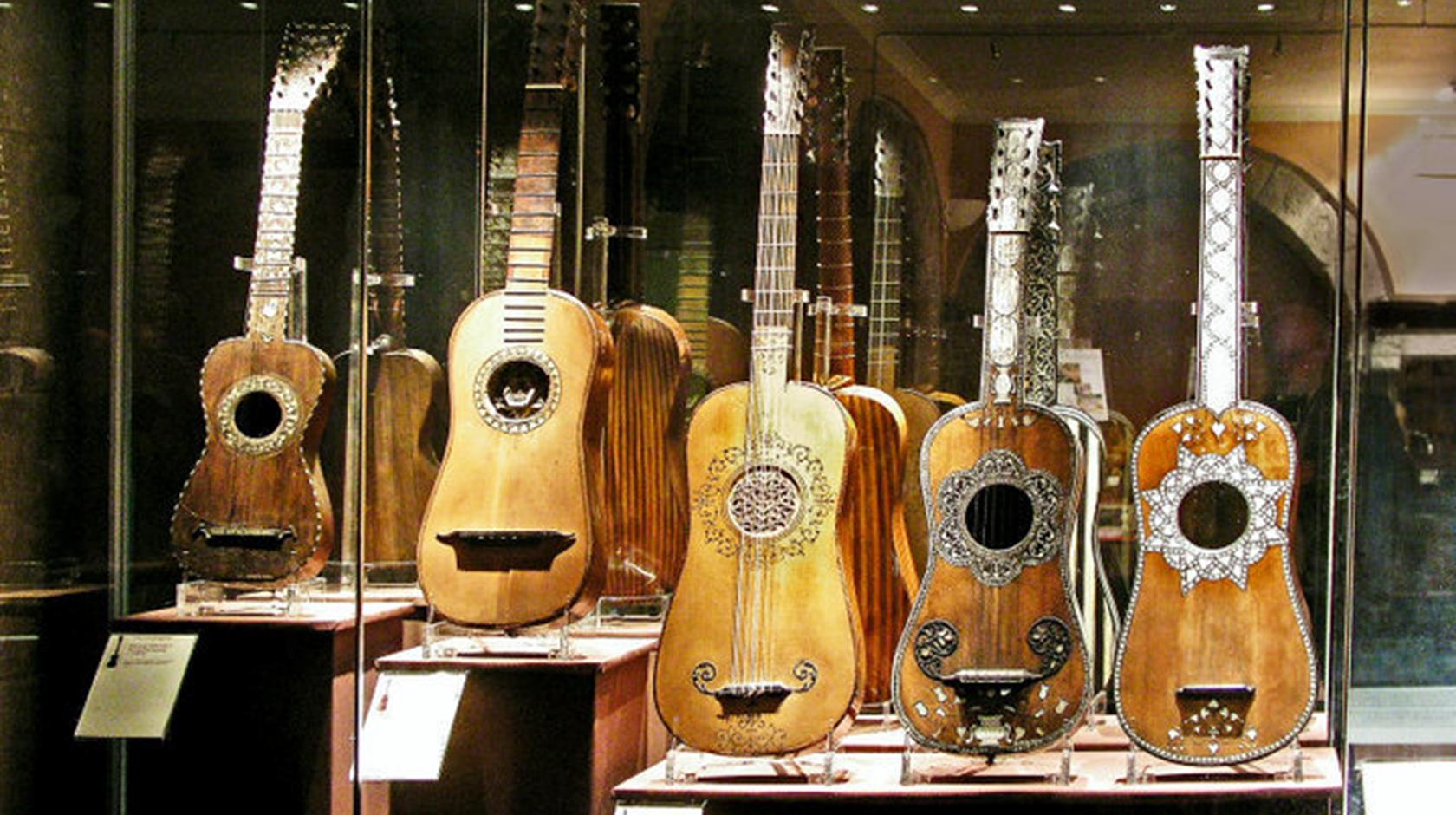
St Ceciliaʼs Hall Museum of Instruments
The musical instrument collections were principally established for musical instrument research and academic instruction, but hands-on research for publication, making technical drawings, building replica instruments, demonstrations, recording etc. are actively encouraged and facilitated by curatorial staff.
The purpose of the Collection is to promote the study of the history, construction and functions of instruments of music and all cognate matters, the furtherance of research and the propagation of knowledge of instrumental history. The emphasis of the Collection is on instruments that are no longer in regular current use and the collecting policy is to acquire instruments when they fall out of use rather than to collect instruments by contemporary makers. The Collection thus covers the period from the 16th century (the earliest period from which examples are available for acquisition) to the 20th century.
Many of the instruments are still playable and through an established concert programme and as a regular venue during the Edinburgh International Festival, the Concert Room provides a contemporaneous setting for performances, within which the audience can be seen as the interface between the University and the public. For instance, St Cecilia’s Hall is the only place in the world where it is possible to hear 18th-century music in an 18th-century concert hall played on 18th-century instruments.
Beaminster Museum
The old Congregational Chapel, architecturally important to the town, was built in 1749 and enlarged in 1825. A charming Grade II listed building, it is surrounded by fine 17th and 18th century houses which survived the three devastating Beaminster fires. Serving Beaminster and some of the neighbouring villages the chapel has been supported in the past by leading families of the locality such as the Daniels, including James who fought for Monmouth at the Battle of Sedgemoor, and the Hines, including Richard who published his ‘History of Beaminster’ in 1914. The early nineteenth century organ in the Gallery is still played on special occasions.
The building was acquired in 1990 by the Beaminster Museum Trust, a registered charity formed to set up and maintain a museum for the town of Beaminster and the surrounding rural area.
Read MoreThe Boiler House at Foxton Locks
The BoilerHouse is Foxton Locks exciting new space. Originally, the building was home to the boiler and mechanical workings that powered the Caissons (barge containers) up and down the Inclined Plane, and now after extensive refurbishment, it shows not only how it all worked, but also brings to life what it was like to live and work on the canals and locks of the Victorian waterways.
Containing many fascinating exhibits of the time, the BoilerHouse demonstrates how tough it was to make a living showing how families survived the harsh conditions of 19th century canal life.
The BoilerHouse does much more than simply display these original artefacts, it allows you to interact with them. The centrepiece being an interactive game where the whole family can stoke the boiler to create the right conditions for the Inclined Plane to successfully operate. When you achieve the exact boiler conditions, the loaded barges make their journey up and down the Inclined Plane, all in real time. Progress is visible on large projection screens where the Inclined Plane can be seen operating in a fully recreated virtual reality world. Hearing the sounds of the boiler coming up to temperature, with dials to monitor, and the Caissons moving, this becomes a completely immersive experience.
To make the most of your visit make sure you download the free Foxton Discover App – either ahead of your visit or at the BoilerHouse. Upgrade the App to give you views of a virtual reality Inclined Plane boat lift, take part in the Foxton Quest to solve an age old mystery and explore Foxton Locks site on the Discovery Trail.
Read MoreCompton Verney
The Estorick Collection of Modern Italian Art
The Estorick Collection of Modern Italian Art opened in London in 1998. A Grade II listed Georgian town house, it was originally restored with support from the Heritage Lottery Fund. Further recent renovations have opened up the space of the ground-floor entranceway, bookshop and café, while its six galleries and art library have also been fully upgraded. The Collection is known internationally for its core of Futurist works, as well as figurative art and sculpture dating from 1890 to the 1950s. The exhibition programme continues to address artists, movements, and questions in ways that change our understanding of Italian art and culture.
Read MoreThe Farmland Museum
The Museum started out as bits of broken pottery kept in a shoebox by four-year-old Craig Delanoy in the village of Haddenham in 1969.
The museum opened for one Sunday a month and was run solely by volunteers under the curatorship of Mike and Lorna Delanoy (Craig’s parents) who received MBE’s for their services to museums and raising money for good causes.
The collection grew and after being in Mike and Lorna’s garden until the early 1990s it opened in March 1997 at its current Denny Abbey site.
The collection, which now consists of over ten thousand objects, focuses on the farming and rural life of north and south Cambridgeshire which also incorporates a bygone collection by Frank Fossey of over two thousand objects.
Read MoreSt Neots Museum
From prehistoric to modern day
St Neots Museum was opened in 1995, in what was the Old Court – a former police station and law court building in New Street
The museum presents the history of the busy market town of St Neots on the River Ouse, from prehistoric times onwards and includes the original early 20th century gaol cells where prisoners where detained.
Learn about the life of St Neot himself, about the medieval priory that once thrived here, and the Civil War battle of St Neots. Discover the story of the Great North Road and the coaches that made St Neot’s such an important staging post, and how the town changed with the coming of the railroad in 1851.
Read More